
Introduction
Dishwashers are a cornerstone of modern kitchen convenience, but many people don’t fully realize how to maximize their efficiency. Whether you’re a busy parent, a culinary enthusiast, or someone simply looking to make life a little easier, knowing how to make the most of your dishwasher can save you time, energy, and water. In this guide, we’ll cover everything from loading techniques to selecting the right cycles, as well as maintenance tips to keep your appliance running smoothly.
- Introduction
- Understanding Dishwasher Efficiency
- Loading Your Dishwasher for Optimal Results
- 1. Top Rack vs. Bottom Rack
- 2. Avoid Overloading
- 3. Positioning Dishware
- Comparison Criteria for Loading Your Dishwasher
- Selecting the Right Dishwasher Cycle
- 1. Normal Cycle
- 2. Heavy Cycle
- 3. Eco Cycle
- 4. Quick Wash
- 5. Rinse Only
- Maintenance Tips for Longevity
- 1. Clean the Filter
- 2. Run Hot Water Before Starting
- 3. Use the Right Detergent
- 4. Inspect and Clean Spray Arms
- 5. Run Regular Maintenance Cycles
- Frequently Asked Questions
- 1. How often should I run my dishwasher?
- 2. Can I put plastic items in the dishwasher?
- 3. Why does my dishwasher smell?
- 4. What should I do if my dishwasher is not cleaning properly?
- 5. How can I save energy while using my dishwasher?
- Conclusion
Before you click “buy”, scan the listing for a few decision-checks:
- Confirm the exact variant you need
- Check recent reviews for your use case
- Look at returns/warranty to reduce risk
Understanding Dishwasher Efficiency
Before diving into tips and tricks, it’s essential to understand what we mean by “efficiency.” For dishwashers, efficiency involves several factors, including:
- Water usage
- Energy consumption
- Cleaning performance
- Time taken for cycles
When you maximize these factors, not only do you save on utility bills, but you also extend the lifespan of your appliance.
Open 2–3 listings and compare the same criteria (variants, returns, reviews).
- Best overall: the latest dishwashers
- Best value: the latest dishwashers
- Upgrade pick: the latest dishwashers
Loading Your Dishwasher for Optimal Results
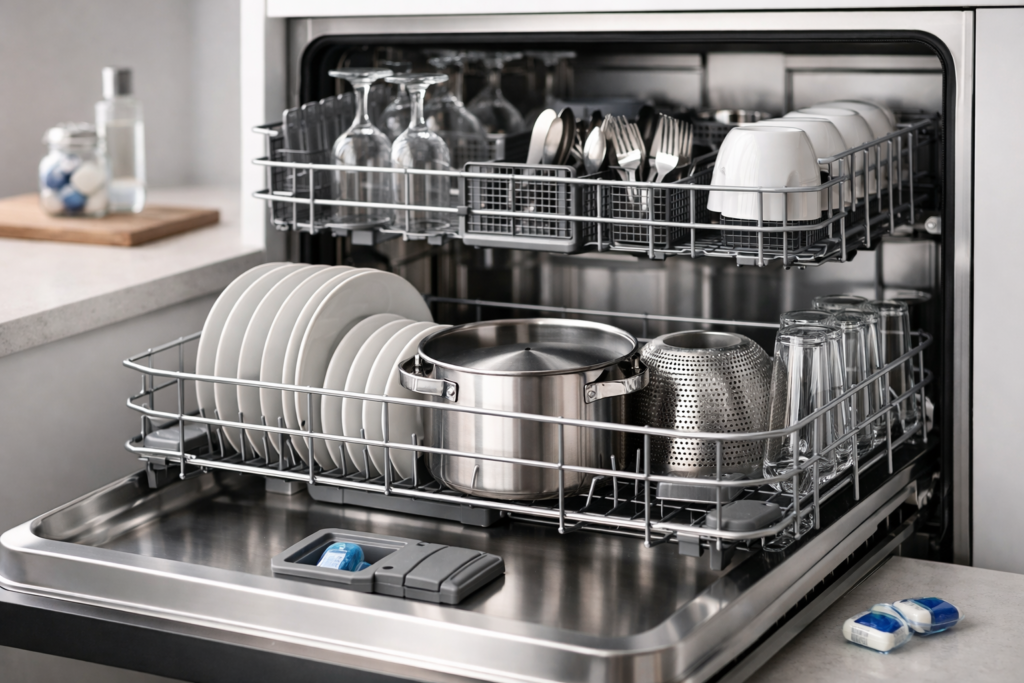
How you load your dishwasher can significantly influence its efficiency. Here are some essential tips for loading your dishwasher properly:
1. Top Rack vs. Bottom Rack
- Top Rack: Ideal for lightweight items like cups, glasses, and small bowls. Place them upside down to avoid water pooling.
- Bottom Rack: Perfect for larger and more heavily soiled items such as plates, pots, and pans. Ensure they are angled downwards for effective cleaning.
2. Avoid Overloading
While it might be tempting to cram as much as possible into your dishwasher, overloading can lead to poor cleaning. Leave enough space for water and detergent to reach all surfaces.
Want the fastest next step? Open one solid option and verify the key details in seconds.
3. Positioning Dishware
- Place large items at the back and sides of the bottom rack, and smaller items in the front.
- Ensure that items do not block the spray arms. This allows water to reach every dish.
- Utilize any designated spots for utensils, which often prevent larger items from nesting together.
Comparison Criteria for Loading Your Dishwasher
| Criteria | Top Rack | Bottom Rack |
|---|---|---|
| Weight Capacity | Lightweight | Heavyweight |
| Item Types | Cups, Glasses, Small Bowls | Plates, Pots, Pans |
| Cleaning Effectiveness | Moderate | High |
Selecting the Right Dishwasher Cycle
Modern dishwashers come with various settings to cater to different dishwashing needs. Understanding these cycles can help you choose the right one based on your load:
1. Normal Cycle
This is suitable for everyday loads, including lightly soiled dishes. It balances water usage and cleaning power.
If this sounds like you, start here and compare the details that matter to you.
Check on Amazon2. Heavy Cycle
Use this for pots, pans, and heavily soiled items. It usually employs higher temperatures and longer cycles to ensure thorough cleaning.
3. Eco Cycle
This cycle is designed to save water and energy. While it may take longer, it’s the most efficient for lightly soiled dishes.
Open the listing, check returns policy + compatibility/size, and you’ll know quickly if it fits your needs.
Check on Amazon4. Quick Wash
If you’re in a hurry and have lightly soiled dishes, this option is perfect. It’s faster but may not be as thorough as other cycles.
5. Rinse Only
This cycle is useful if you’re not running a full load immediately. It helps keep food from drying on dishes but should not replace a full wash.
Before you click “buy”, scan the listing for a few decision-checks:
- Confirm the exact variant you need
- Check recent reviews for your use case
- Look at returns/warranty to reduce risk
Maintenance Tips for Longevity
To keep your dishwasher running efficiently for years, regular maintenance is crucial. Here are some tips to consider:
1. Clean the Filter
Most dishwashers have a filter that traps food particles. Clean it regularly (once a month) to prevent clogs and maintain optimal cleaning performance.
Open 2–3 listings and compare the same criteria (variants, returns, reviews).
- Best overall: the latest dishwashers
- Best value: the latest dishwashers
- Upgrade pick: the latest dishwashers
2. Run Hot Water Before Starting
Before starting your dishwasher, run hot water at your sink until it is hot. This ensures that your dishwasher begins with hot water for better cleaning.
3. Use the Right Detergent
Not all detergents are created equal. Choose a reputable brand that suits your dishwasher type, whether it’s powdered, gel, or tablet form.
Want the fastest next step? Open one solid option and verify the key details in seconds.
4. Inspect and Clean Spray Arms
Occasionally check the spray arms for blockages. Remove any debris to ensure water sprays effectively.
5. Run Regular Maintenance Cycles
Some dishwashers have a self-cleaning cycle or recommend running a cleaning solution every few months. Check your manufacturer’s guidelines.
If this sounds like you, start here and compare the details that matter to you.
Check on AmazonFrequently Asked Questions
1. How often should I run my dishwasher?
It depends on your needs. Running it once a day is common for large households, while smaller households may operate it every few days.
2. Can I put plastic items in the dishwasher?
Yes, but ensure they are labeled as dishwasher-safe. Place them on the top rack to avoid high heat that can warp them.
Open the listing, check latest reviews + latest reviews, and you’ll know quickly if it fits your needs.
Check on Amazon3. Why does my dishwasher smell?
Odors can arise from food particles trapped in the filter or spray arms. Regular cleaning of these parts can help eliminate unwanted smells.
4. What should I do if my dishwasher is not cleaning properly?
Check for clogs, ensure the spray arms are functioning, and make sure you’re using the correct cycle. If the problem persists, consult a professional.
Before you click “buy”, scan the listing for a few decision-checks:
- Confirm the exact variant you need
- Check recent reviews for your use case
- Look at returns/warranty to reduce risk
5. How can I save energy while using my dishwasher?
Run full loads, use the eco cycle when possible, and avoid rinsing dishes before loading, as modern dishwashers are designed to handle food residues.
Conclusion
By taking the time to load your dishwasher correctly, select the right cycles, and perform regular maintenance, you can significantly maximize its efficiency. Not only will this enhance your dishwashing experience, but it will also save you time, energy, and water in the long run. For further reading on consumer advice regarding appliances, feel free to explore trusted resources such as the FTC Consumer Advice.
Open 2–3 listings and compare the same criteria (variants, returns, reviews).
- Best overall: the latest dishwashers
- Best value: the latest dishwashers
- Upgrade pick: the latest dishwashers
Ready to upgrade your dishwashing experience? Explore your options for a new dishwasher today. Check out the latest dishwashers for the best selections.
Disclosure: This post contains affiliate links. If you buy through them, we may earn a commission at no extra cost to you.