
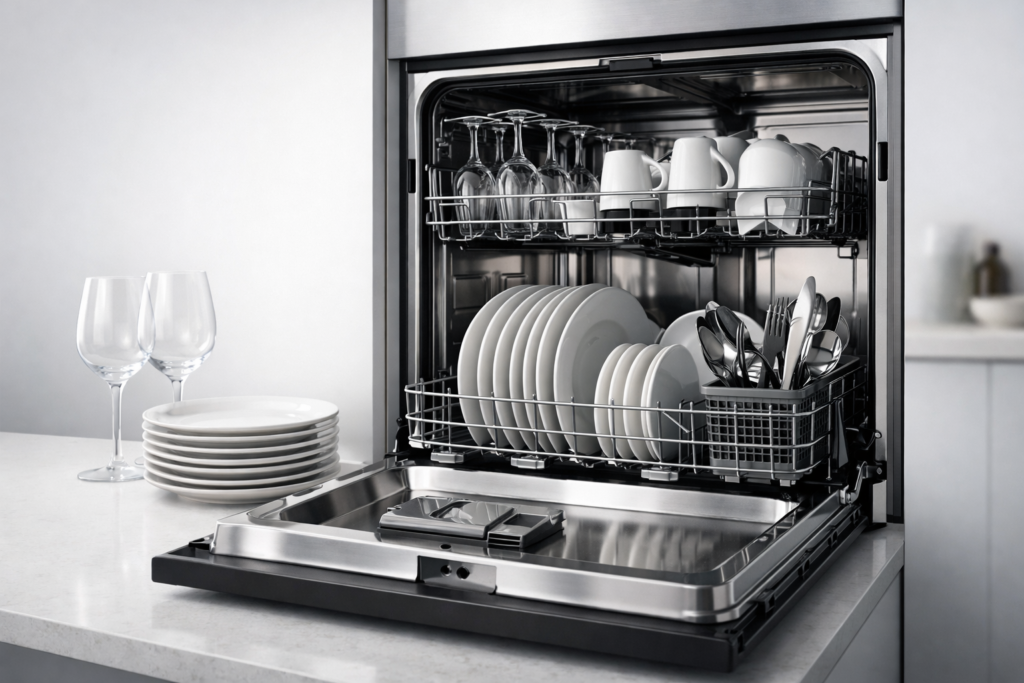
Choosing the Right Dishwasher: Essential Features Explained
When it comes to outfitting your kitchen, selecting the right dishwasher can make a world of difference. A good dishwasher not only saves time and energy but can also help keep your kitchen organized and sparkling clean. However, with a multitude of models on the market, how do you know which features are truly essential? In this guide, we’ll explore the key features to consider when purchasing a new dishwasher, ensuring you make an informed decision that best suits your needs.
- Choosing the Right Dishwasher: Essential Features Explained
- Key Features to Consider
- How to Choose the Right Dishwasher
- 1. Determine Your Needs
- 2. Assess Your Space
- 3. Evaluate Energy Efficiency
- 4. Consider Noise Levels
- 5. Look for Versatile Wash Cycles
- 6. Check for Smart Features
- 7. Inspect the Interior Layout
- 8. Assess Drying Performance
- 9. Consider Your Budget
- Frequently Asked Questions (FAQs)
- What is the average lifespan of a dishwasher?
- How can I maintain my dishwasher?
- Do I need to rinse dishes before loading them?
- Are stainless steel interiors better than plastic?
- Can I run my dishwasher when I’m not home?
- Final Thoughts
Open 2–3 listings and compare the same criteria (variants, returns, reviews).
- Best overall: shop now
- Best value: various models available
- Upgrade pick: various models available
Key Features to Consider
Here’s a handy comparison chart that outlines the main features you should evaluate when shopping for a dishwasher:
| Feature | Description | Importance Level |
|---|---|---|
| Energy Efficiency | Look for ENERGY STAR certified models to save on utility bills. | High |
| Noise Level | Measured in decibels (dB), lower numbers indicate quieter operation. | Medium |
| Capacity | Measured in place settings, choose based on your household size. | High |
| Wash Cycles | Diverse cycles for different cleaning needs (e.g., heavy, quick). | Medium |
| Smart Technology | Connectivity features for remote monitoring and control. | Low |
| Interior Layout | Adjustable racks and tines for efficient loading. | High |
| Drying Performance | Options like heated drying or condensation drying methods. | Medium |
| Filter System | Removable filters for easy cleaning and maintenance. | Medium |
How to Choose the Right Dishwasher
Choosing the right dishwasher involves more than just picking a model that looks good. Here’s a step-by-step approach to help you select a dishwasher that fits your lifestyle:
If this sounds like you, start here and compare the details that matter to you.
Check on Amazon1. Determine Your Needs
- Household Size: How many people live in your home? Larger households may benefit from dishwashers with higher capacities.
- Frequency of Use: If you run your dishwasher daily, consider models with higher efficiency ratings.
2. Assess Your Space
- Dimensions: Measure the space where your dishwasher will go to ensure a proper fit.
- Installation Type: Decide between built-in, portable, or countertop models based on your kitchen layout.
3. Evaluate Energy Efficiency
Not only do ENERGY STAR certified dishwashers save energy, but they also reduce water usage. This can lead to lower utility bills over time. Look for features that maximize efficiency, such as:
- Soil sensors that adjust the wash cycle based on how dirty the dishes are.
- Eco-friendly wash cycles that use less water and energy.
4. Consider Noise Levels
Noisy dishwashers can be disruptive, especially in open-concept living spaces. Check the decibel rating; models that operate at 45 dB or lower are considered quiet. Features that help reduce noise include:
Open the listing, check warranty + warranty, and you’ll know quickly if it fits your needs.
Check on Amazon- Sound insulation materials.
- Direct drive motors that minimize vibration.
5. Look for Versatile Wash Cycles
Different types of dishes require different cleaning approaches. A good dishwasher should offer various wash cycles, including:
- Heavy cycle for pots and pans.
- Quick wash for lightly soiled items.
- Sanitize cycle to eliminate bacteria.
6. Check for Smart Features
While not essential, smart technology can enhance convenience. Features may include:
Before you click “buy”, scan the listing for a few decision-checks:
- Confirm the exact variant you need
- Check recent reviews for your use case
- Look at returns/warranty to reduce risk
- Remote start and monitoring via smartphone apps.
- Notifications when a cycle is complete.
7. Inspect the Interior Layout
Racks and tines should be adjustable to accommodate large pots and dishes. Consider:
- Third racks for utensils and small items.
- Fold-down tines for flexible loading options.
8. Assess Drying Performance
Look for dishwashers with effective drying systems. Some options include:
Want the fastest next step? Open one solid option and verify the key details in seconds.
- Heated drying, which uses a heating element to dry dishes.
- Condensation drying, which relies on the heat generated during the wash cycle.
9. Consider Your Budget
While this guide focuses on features, it’s essential to consider your budget. Higher-end models often come with more features but ensure you evaluate whether those features are necessary for your needs.
For a wide selection of dishwashers to explore, check out various models available for options that suit your preferences.
Open 2–3 listings and compare the same criteria (variants, returns, reviews).
- Best overall: shop now
- Best value: various models available
- Upgrade pick: various models available
Frequently Asked Questions (FAQs)
What is the average lifespan of a dishwasher?
The average lifespan of a dishwasher is typically between 9 to 12 years, depending on usage and maintenance. Regularly cleaning filters and running maintenance cycles can help extend its life.
How can I maintain my dishwasher?
Regular maintenance includes:
- Cleaning the filter monthly.
- Running a vinegar wash cycle to remove buildup.
- Inspecting and replacing the door seal if necessary.
Do I need to rinse dishes before loading them?
While modern dishwashers have powerful cleaning capabilities, it’s recommended to scrape off food particles but not rinse dishes, as the dishwasher needs some food residue to optimize the wash cycle.
Are stainless steel interiors better than plastic?
Yes, stainless steel interiors generally provide better drying performance and are more durable than plastic. They also resist odors and stains.
If this sounds like you, start here and compare the details that matter to you.
Check on AmazonCan I run my dishwasher when I’m not home?
Yes, many modern dishwashers have features that allow you to run them while you’re away. Just ensure that the water supply and drainage systems are functioning properly.
Final Thoughts
Choosing the right dishwasher involves careful consideration of various features to ensure it meets your household’s needs. By focusing on energy efficiency, capacity, noise levels, and versatile wash cycles, you can find a model that not only makes life easier but also enhances your kitchen experience. For a range of options suited to your preferences, visit shop now.
Open the listing, check latest reviews + returns policy, and you’ll know quickly if it fits your needs.
Check on AmazonDisclosure: This post contains affiliate links. If you buy through them, we may earn a commission at no extra cost to you.