
Introduction
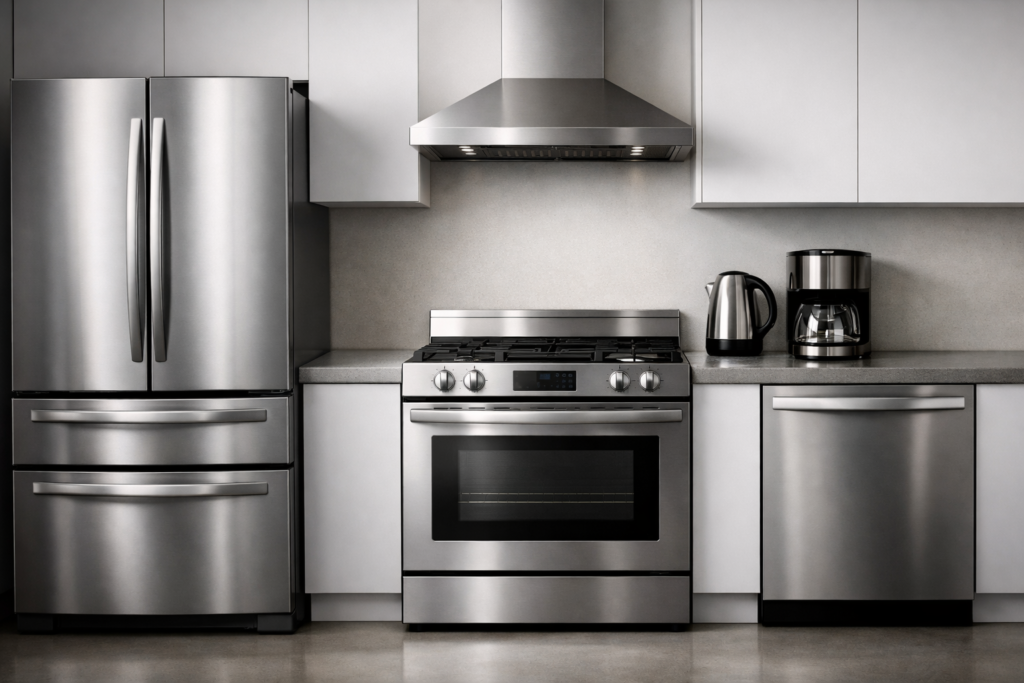
Stainless steel appliances have become a staple in modern kitchens, recognized for their sleek appearance and durability. However, with any choice in kitchen design, it’s crucial to weigh the pros and cons before making a decision. This guide will dive deep into the advantages and disadvantages of stainless steel appliances, helping you make an informed choice that complements your kitchen aesthetic and functional needs.
- Introduction
- Pros of Stainless Steel Appliances
- 1. Aesthetic Appeal
- 2. Durability
- 3. Easy Maintenance
- 4. Resistance to Rust and Corrosion
- 5. High Resale Value
- Cons of Stainless Steel Appliances
- 1. Cost
- 2. Scratches and Dents
- 3. Temperature Sensitivity
- 4. Fingerprints and Smudges
- 5. Limited Color Options
- How to Choose Stainless Steel Appliances
- 1. Assess Your Kitchen Style
- 2. Evaluate Your Budget
- 3. Focus on Your Needs
- 4. Read Reviews and Ratings
- 5. Compare Features
- Frequently Asked Questions (FAQ)
- 1. Are stainless steel appliances worth it?
- 2. Do stainless steel appliances require special care?
- 3. Can I mix stainless steel appliances with other finishes?
- 4. How do I remove scratches from stainless steel appliances?
- 5. Are there energy-efficient stainless steel appliances?
- Conclusion
Open the listing, check warranty + variants, and you’ll know quickly if it fits your needs.
Check on AmazonPros of Stainless Steel Appliances
1. Aesthetic Appeal
One of the main attractions of stainless steel appliances is their contemporary look. They offer a clean, polished finish that can elevate the overall design of your kitchen. Whether your style is modern, industrial, or even traditional, stainless steel can blend seamlessly with other materials.
2. Durability
Stainless steel is known for its tough and resilient nature. Unlike plastic or other materials, stainless steel appliances are less likely to crack, dent, or show wear over time, making them an excellent long-term investment.
Before you click “buy”, scan the listing for a few decision-checks:
- Confirm the exact variant you need
- Check recent reviews for your use case
- Look at returns/warranty to reduce risk
3. Easy Maintenance
Cleaning stainless steel appliances is relatively straightforward. They usually require just a damp cloth and mild detergent. Additionally, many manufacturers now offer smudge-proof finishes, which can help reduce fingerprints and smudges, simplifying upkeep.
4. Resistance to Rust and Corrosion
Stainless steel is resistant to rust and corrosion, making it suitable for kitchens that experience moisture. This feature is particularly beneficial for appliances like dishwashers and refrigerators, which are exposed to varying humidity levels.
If this sounds like you, start here and compare the details that matter to you.
Check on Amazon5. High Resale Value
Homes with stainless steel appliances often fetch a higher resale value. Many buyers consider these appliances a desirable feature, which can make your home more appealing when it comes time to sell.
Cons of Stainless Steel Appliances
1. Cost
Stainless steel appliances can be more expensive than their counterparts made from other materials. While the durability may offset the initial costs over time, budget-conscious consumers may need to consider this factor carefully.
Open 2–3 listings and compare the same criteria (variants, returns, reviews).
- Best overall: Capresso 465 CoffeeTeam TS 10-Cup Digital Coffeemaker
- Best value: Bodum Chambord French Press Coffee Maker, 1L
- Upgrade pick: Smeg TSF01PGUK 50's Retro Style Toaster
2. Scratches and Dents
While stainless steel is durable, it is not entirely scratch-proof. Cooking tools and other items can scratch the surface, leading to a less pristine appearance over time. Although minor scratches can be polished out, deeper dents may require professional repair.
3. Temperature Sensitivity
Stainless steel tends to show heat and cold more than other materials. This characteristic can lead to temperature fluctuations affecting the performance of your appliances. For example, the exterior of a stainless steel fridge can feel quite cold to the touch in winter, which may not be ideal for all home environments.
Want the fastest next step? Open one solid option and verify the key details in seconds.
4. Fingerprints and Smudges
Despite advancements in finishes, stainless steel appliances can still be prone to fingerprints and smudges, especially in high-traffic areas. Regular cleaning is essential to maintain their polished look, which may be a drawback for some homeowners.
5. Limited Color Options
Stainless steel offers a sleek and uniform look, but it lacks the color options available with other materials. If you’re looking to make a bold design statement with colored appliances, stainless steel might not fit the bill.
Open the listing, check warranty + compatibility/size, and you’ll know quickly if it fits your needs.
Check on AmazonHow to Choose Stainless Steel Appliances
When considering stainless steel appliances for your kitchen, keep the following factors in mind:
1. Assess Your Kitchen Style
Evaluate the overall aesthetic of your kitchen. Stainless steel can enhance modern and contemporary designs but may clash with more traditional styles. Consider how the appliances will fit into your existing decor.
Before you click “buy”, scan the listing for a few decision-checks:
- Confirm the exact variant you need
- Check recent reviews for your use case
- Look at returns/warranty to reduce risk
2. Evaluate Your Budget
Determine how much you’re willing to invest in kitchen appliances. Stainless steel may be pricier, so ensure it aligns with your financial plan. Consider long-term savings in energy efficiency and durability.
3. Focus on Your Needs
Think about your cooking habits and lifestyle. Do you cook frequently? If so, investing in high-quality stainless steel appliances might be worth it for their durability and ease of maintenance.
If this sounds like you, start here and compare the details that matter to you.
Check on Amazon4. Read Reviews and Ratings
Before making a purchase, read reviews from other consumers. Understanding the experiences of others can provide insights into the performance and longevity of specific stainless steel models.
5. Compare Features
Different brands offer various features with their stainless steel appliances. Look for energy-efficient options, smart features, and warranty details. Here’s a comparison table to help you evaluate key features:
Open 2–3 listings and compare the same criteria (variants, returns, reviews).
- Best overall: Baratza Encore Conical Burr Coffee Grinder
- Best value: Smeg TSF01PGUK 50's Retro Style Toaster
- Upgrade pick: Hario V60 Ceramic Coffee Dripper, Size 02
| Feature | Brand A | Brand B | Brand C |
|---|---|---|---|
| Energy Efficiency | High | Medium | High |
| Smart Technology | Yes | No | Yes |
| Warranty | 2 Years | 1 Year | 2 Years |
| Fingerprint Resistance | Yes | No | Yes |
Frequently Asked Questions (FAQ)
1. Are stainless steel appliances worth it?
Yes, stainless steel appliances offer durability, aesthetic appeal, and often higher resale value. However, consider your budget and design preferences before committing.
2. Do stainless steel appliances require special care?
While they’re easy to clean, stainless steel does require regular maintenance to avoid scratches and fingerprints. Use gentle cleaners specifically designed for stainless steel.
Want the fastest next step? Open one solid option and verify the key details in seconds.
3. Can I mix stainless steel appliances with other finishes?
Yes, mixing finishes can create a unique look. Some homeowners choose to combine stainless steel with black or white appliances for added contrast and visual interest.
4. How do I remove scratches from stainless steel appliances?
Minor scratches can often be buffed out using a soft cloth and a specialized stainless steel cleaner. For deeper scratches, you may need to consult a professional.
Open the listing, check compatibility/size + returns policy, and you’ll know quickly if it fits your needs.
Check on Amazon5. Are there energy-efficient stainless steel appliances?
Absolutely! Many manufacturers produce energy-efficient stainless steel appliances that meet or exceed energy-saving standards. Look for the Energy Star label when shopping.
Conclusion
Stainless steel appliances can be a fantastic addition to your kitchen, offering both style and functionality. By understanding the pros and cons, you can make a decision that enhances your cooking space while meeting your needs. Whether you’re renovating your kitchen or simply upgrading your appliances, consider the insights shared in this guide to choose the best options for your home.
Before you click “buy”, scan the listing for a few decision-checks:
- Confirm the exact variant you need
- Check recent reviews for your use case
- Look at returns/warranty to reduce risk
For more tips on kitchen appliances, visit trusted resources like the FTC consumer advice.
Explore the available options on various marketplaces:
shop for stainless steel appliances
Disclosure: This post contains affiliate links. If you buy through them, we may earn a commission at no extra cost to you.
### Update
As of 2023, many manufacturers continue to innovate in stainless steel technology. Newer appliances now often come with enhanced energy efficiency and smart technology features, such as Wi-Fi connectivity and integration with smart home systems. Additionally, there is a growing trend toward fingerprint-resistant finishes, which further enhance ease of maintenance and aesthetic appeal. It’s worth exploring these modern options when considering stainless steel appliances for your kitchen.
### FAQ
**Q: Are stainless steel appliances prone to scratches?**
A: While stainless steel is generally durable, it can be scratched if not handled carefully. Using non-abrasive cleaning materials and being mindful of sharp objects can help prevent scratches.
**Q: Do stainless steel appliances require special cleaning products?**
A: No, stainless steel appliances can usually be cleaned with a damp cloth and mild detergent. However, there are specialized stainless steel cleaners available that can enhance shine and remove tough stains.
**Q: Can stainless steel appliances match other kitchen fixtures?**
A: Yes, stainless steel appliances can easily complement other materials and colors in your kitchen. Their neutral tone allows them to blend in with various design aesthetics, from modern to traditional.
**Q: Are there any alternatives to stainless steel appliances?**
A: Yes, alternatives such as black stainless steel, matte finishes, and other materials like aluminum or even colored appliances are becoming increasingly popular, offering different aesthetics and features.