
Introduction
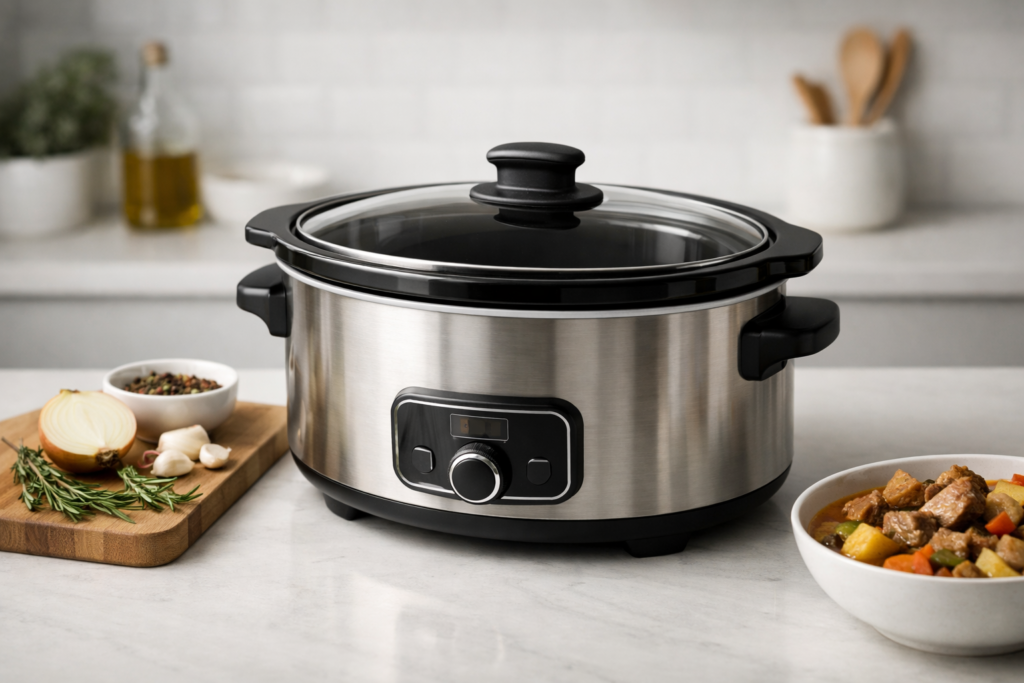
Slow cookers have become a staple in many kitchens, offering a convenient way to prepare delicious meals with minimal effort. Whether you’re a busy professional, a parent juggling multiple responsibilities, or someone who simply loves the taste of home-cooked meals, a slow cooker can be your best kitchen companion. This ultimate guide to slow cookers will help you understand their benefits, how to choose the right model, maintenance tips, and answer some frequently asked questions.
- Introduction
- Benefits of Using a Slow Cooker
- How to Choose the Right Slow Cooker
- Comparison Criteria
- How to Use a Slow Cooker
- Maintenance of Your Slow Cooker
- Popular Slow Cooker Recipes
- Frequently Asked Questions
- 1. Can I leave my slow cooker unattended?
- 2. How do I know when my food is done?
- 3. Can I use frozen ingredients?
- 4. What types of dishes can I cook?
- 5. How do I adjust cooking times for high altitude?
- Conclusion
Before you click “buy”, scan the listing for a few decision-checks:
- Confirm the exact variant you need
- Check recent reviews for your use case
- Look at returns/warranty to reduce risk
Benefits of Using a Slow Cooker
Slow cookers are more than just a cooking appliance; they offer numerous advantages that make meal preparation easier and more enjoyable:
- Convenience: Just set it and forget it! You can prepare your ingredients in the morning, set your cooker, and come home to a hot, ready meal.
- Enhanced Flavor: Slow cooking allows flavors to meld and develop over several hours, resulting in richer and more complex dishes.
- Energy Efficiency: Slow cookers use less energy than traditional ovens, making them a cost-effective choice for cooking.
- Versatility: From soups and stews to desserts and dips, slow cookers can handle a wide variety of recipes.
- Healthier Cooking: Slow cookers allow you to prepare meals with less oil and fat, helping you create healthier options.
How to Choose the Right Slow Cooker
With various slow cooker models available, choosing the right one can be overwhelming. Here’s a guide to help you make an informed decision:
Want the fastest next step? Open one solid option and verify the key details in seconds.
Comparison Criteria
| Feature | What to Look For |
|---|---|
| Capacity | Choose based on your family size. Common sizes range from 3 to 8 quarts. |
| Material | Look for ceramic or stoneware inserts for even cooking. |
| Settings | Consider models with multiple heat settings (low, high, and warm). |
| Programmable Features | Programmable slow cookers allow you to set cooking times and switch to warm automatically. |
| Ease of Cleaning | Removable and dishwasher-safe inserts make clean-up easier. |
| Size & Shape | Oval or round models suit different recipes; oval is better for roasts. |
How to Use a Slow Cooker
Using a slow cooker is straightforward:
- Prep Your Ingredients: Chop vegetables and cut meat into uniform pieces for even cooking.
- Layer Ingredients: Start with denser ingredients at the bottom (like root vegetables), followed by meat and lighter items.
- Add Liquid: Ensure there’s enough liquid (broth, water, or sauce) to cover the ingredients partially.
- Set the Temperature: Choose low or high based on your schedule. Low is typically 6-8 hours, while high is 3-4 hours.
Maintenance of Your Slow Cooker
To ensure your slow cooker lasts for years, follow these maintenance tips:
Open 2–3 listings and compare the same criteria (variants, returns, reviews).
- Best overall: explore various slow cooker options
- Best value: explore various slow cooker options
- Upgrade pick: explore various slow cooker options
- Clean After Each Use: Unplug the appliance and let it cool before washing the removable parts.
- Check Seals and Gaskets: Regularly inspect and replace worn-out seals to maintain efficiency.
- Avoid Abrasives: Use non-abrasive cleaners to prevent scratching the surfaces.
Popular Slow Cooker Recipes
Here are some crowd-pleasing recipes to try with your slow cooker:
- Beef Stew: A classic dish that benefits from slow cooking, allowing the meat to become tender and flavorful.
- Chili: Layer beans, meat, and spices for a hearty meal.
- Slow-Cooked Pulled Pork: Perfect for sandwiches or tacos, this dish is a favorite for gatherings.
- Vegetable Soup: A great way to use up leftover vegetables and create a nutritious meal.
Frequently Asked Questions
1. Can I leave my slow cooker unattended?
Yes, slow cookers are designed to be left unattended. However, ensure that you follow the manufacturer’s guidelines for safety.
Open the listing, check warranty + variants, and you’ll know quickly if it fits your needs.
Check on Amazon2. How do I know when my food is done?
Cooking times vary by recipe and settings. Generally, meats should reach a safe internal temperature (e.g., 145°F for pork) to ensure doneness.
3. Can I use frozen ingredients?
It’s best to thaw meats before placing them in the slow cooker. If using frozen vegetables, add them later in the cooking process to prevent overcooking.
If this sounds like you, start here and compare the details that matter to you.
Check on Amazon4. What types of dishes can I cook?
You can cook a variety of dishes, including soups, stews, casseroles, and even desserts like cakes and puddings.
5. How do I adjust cooking times for high altitude?
At higher altitudes, you may need to increase cooking time. Monitor the dish closely and adjust as needed.
Before you click “buy”, scan the listing for a few decision-checks:
- Confirm the exact variant you need
- Check recent reviews for your use case
- Look at returns/warranty to reduce risk
Conclusion
Slow cookers are versatile and convenient appliances that can enhance your cooking experience. By understanding their benefits, how to choose the right model, and following proper maintenance tips, you can make the most of your slow cooker. Whether you’re preparing a comforting stew or a flavorful dip, your slow cooker can be an invaluable tool in your kitchen. For more information on choosing kitchen appliances, check out the FTC consumer advice.
explore various slow cooker options
Disclosure: This post contains affiliate links. If you buy through them, we may earn a commission at no extra cost to you.