
Introduction
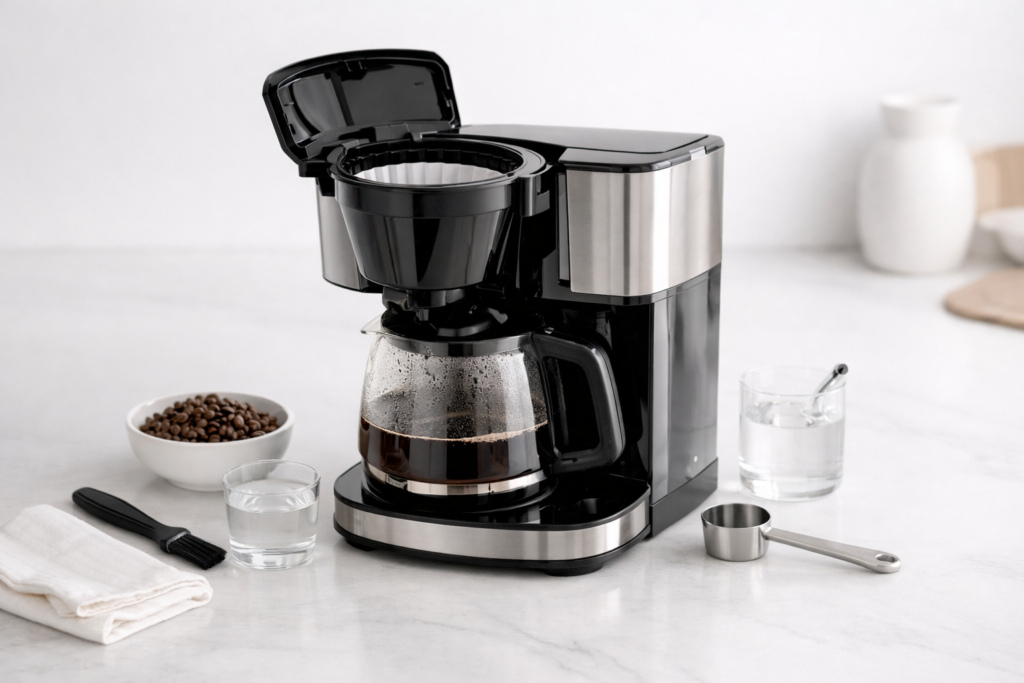
Your coffee maker is more than just a machine; it’s a daily ritual that fuels your mornings and keeps you going throughout the day. However, to enjoy that perfect cup of coffee consistently, it’s essential to maintain your coffee maker properly. Neglecting this crucial aspect can lead to stale-tasting coffee, malfunctioning devices, and ultimately, a shorter lifespan for your appliance.
In this guide, we’ll explore practical tips for maintaining different types of coffee makers, including drip coffee makers, espresso machines, and single-serve machines. By following these maintenance techniques, you’ll ensure that each brew is as fresh and flavorful as possible.
Open 2–3 listings and compare the same criteria (variants, returns, reviews).
- Best overall: Check out these maintenance tools
- Best value: Check out these maintenance tools
- Upgrade pick: Check out these maintenance tools
- Introduction
- Comparison Criteria for Coffee Maker Maintenance
- How to Choose the Right Maintenance Method
- 1. Understand Your Coffee Maker’s Type
- 2. Assess Usage Frequency
- 3. Choose Quality Water
- Essential Maintenance Tips for Different Coffee Makers
- Drip Coffee Makers
- Espresso Machines
- Single-Serve Machines
- Common Coffee Maker Problems and Solutions
- 1. Clogged Coffee Maker
- 2. Stale Coffee Taste
- 3. Leaking Water
- FAQ Section
- How often should I clean my coffee maker?
- What is the best way to descale my coffee maker?
- Can I use bleach to clean my coffee maker?
- What should I do if my coffee maker won’t brew?
- How do I prevent mold in my coffee maker?
- Conclusion
Comparison Criteria for Coffee Maker Maintenance
| Criteria | Drip Coffee Maker | Espresso Machine | Single-Serve Machine |
|---|---|---|---|
| Frequency of Cleaning | Every month | Every use and deep clean monthly | After every use |
| Descaling Needs | Every 3-6 months | Every 2-3 months | Every 3-6 months |
| Parts to Clean | Carafe, filter basket, water reservoir | Portafilter, group head, steam wand | Pod holder, drip tray |
| Common Issues | Clogging, burnt coffee | Stale coffee, pressure issues | Water leaks, pod jams |
How to Choose the Right Maintenance Method
Maintaining your coffee maker depends on its type, usage frequency, and the quality of water you use. Here are some actionable steps for choosing the right maintenance method:
Want the fastest next step? Open one solid option and verify the key details in seconds.
1. Understand Your Coffee Maker’s Type
Each coffee maker has unique components and cleaning needs. Identify whether you have a drip, espresso, or single-serve machine to tailor your maintenance routine accordingly.
2. Assess Usage Frequency
If you brew coffee daily, you’ll need to clean and descale more frequently than someone who brews once a week. Make a maintenance schedule based on your usage.
Open the listing, check warranty + latest reviews, and you’ll know quickly if it fits your needs.
Check on Amazon3. Choose Quality Water
Using filtered water can prevent mineral buildup in your machine. If you primarily use tap water, consider descaling more frequently to combat mineral deposits.
Essential Maintenance Tips for Different Coffee Makers
Drip Coffee Makers
To maintain a drip coffee maker, follow these steps:
If this sounds like you, start here and compare the details that matter to you.
Check on Amazon- Daily Cleaning: Rinse the carafe and filter basket after each use. Ensure no coffee grounds remain to prevent clogging.
- Monthly Deep Clean: Run a mixture of equal parts water and white vinegar through the machine to clear out any mineral buildup.
- Replace Filters Regularly: If your model uses a water filter, replace it as per the manufacturer’s recommendations.
Espresso Machines
Espresso machines require a bit more attention:
- Daily Maintenance: Clean the portafilter and group head after each use to prevent coffee oils from building up.
- Monthly Descaling: Descale your machine with a suitable descaling solution to maintain pressure and flavor.
- Steam Wand Care: Purge and wipe down the steam wand after each use to avoid milk residue buildup.
Single-Serve Machines
Single-serve machines are convenient but still need care:
Before you click “buy”, scan the listing for a few decision-checks:
- Confirm the exact variant you need
- Check recent reviews for your use case
- Look at returns/warranty to reduce risk
- After Each Use: Empty the drip tray and pod holder to prevent overflow and unpleasant odors.
- Monthly Cleaning: Run a descaling solution through the machine to maintain performance.
- Check for Blockages: Periodically inspect the needle that punctures the pod for clogs.
Common Coffee Maker Problems and Solutions
Even with proper maintenance, issues may arise. Here are some common problems and their solutions:
1. Clogged Coffee Maker
Solution: Run a vinegar solution through the machine to dissolve blockages. Follow up with several cycles of clean water to rinse.
Open 2–3 listings and compare the same criteria (variants, returns, reviews).
- Best overall: Check out these maintenance tools
- Best value: Check out these maintenance tools
- Upgrade pick: Check out these maintenance tools
2. Stale Coffee Taste
Solution: Ensure you’re using fresh coffee beans and clean your machine regularly to prevent stale oils from affecting flavor.
3. Leaking Water
Solution: Inspect seals and water reservoirs for cracks. Tighten any loose connections and replace any damaged parts.
Want the fastest next step? Open one solid option and verify the key details in seconds.
FAQ Section
How often should I clean my coffee maker?
Generally, you should clean your coffee maker every month, but if you use it daily, consider cleaning it weekly to maintain optimal performance.
What is the best way to descale my coffee maker?
A mixture of equal parts white vinegar and water is effective for descaling. Run this solution through your machine and follow up with clean water to rinse.
Open the listing, check latest reviews + variants, and you’ll know quickly if it fits your needs.
Check on AmazonCan I use bleach to clean my coffee maker?
No, bleach can damage the components of your coffee maker. Stick to vinegar or commercial descaling solutions recommended by the manufacturer.
What should I do if my coffee maker won’t brew?
Check for clogs in the water line or filter. Ensure the reservoir is filled and all parts are correctly assembled. If problems persist, consult the user manual for troubleshooting steps.
If this sounds like you, start here and compare the details that matter to you.
Check on AmazonHow do I prevent mold in my coffee maker?
Regular cleaning is key. After each use, empty and rinse all removable parts. Ensure everything is dry before reassembling to prevent mold growth.
Conclusion
Maintaining your coffee maker is essential for enjoying rich, flavorful coffee every day. By adopting a regular cleaning routine and staying vigilant about potential issues, you can extend the life of your machine and enhance your brewing experience.
Before you click “buy”, scan the listing for a few decision-checks:
- Confirm the exact variant you need
- Check recent reviews for your use case
- Look at returns/warranty to reduce risk
Remember, whether you own a drip coffee maker, espresso machine, or single-serve model, the effort you put into maintenance directly affects the quality of your coffee. Keep your equipment clean, follow the right procedures, and enjoy the delicious results!
Check out these maintenance tools
Disclosure: This post contains affiliate links. If you buy through them, we may earn a commission at no extra cost to you.