
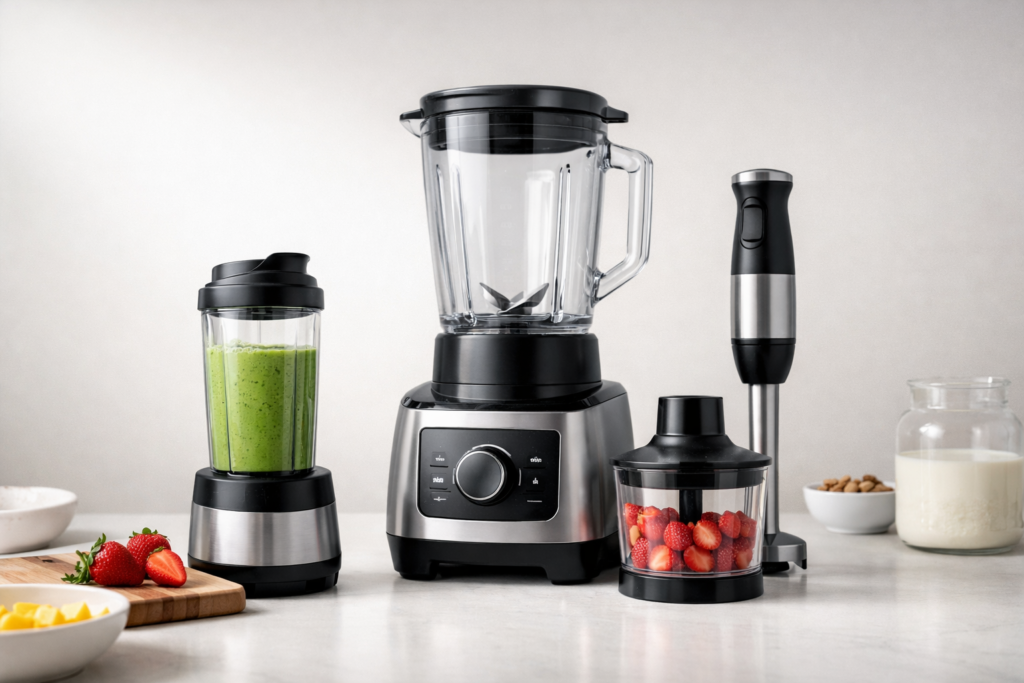
How to Choose the Right Blender for Your Needs
Choosing the right blender can feel like an overwhelming task, especially with the myriad of options available today. Whether you’re looking to whip up smoothies, soups, or sauces, understanding the features and types of blenders can help you make an informed decision. In this guide, we will explore how to choose a blender that suits your culinary needs, ensuring you achieve the best results with minimal guesswork.
- How to Choose the Right Blender for Your Needs
- Understanding Blender Types
- Key Features to Consider
- How to Choose a Blender for Your Needs
- Maintenance and Care Tips for Your Blender
- Frequently Asked Questions (FAQ)
- 1. What is the difference between a high-performance blender and a regular blender?
- 2. Can I blend hot liquids in a regular blender?
- 3. How do I prevent my blender from overheating?
- 4. Are personal blenders worth it?
- 5. What should I do if my blender is leaking?
- Conclusion
Open 2–3 listings and compare the same criteria (variants, returns, reviews).
- Best overall: popular blenders
- Best value: top-rated blenders
- Upgrade pick: popular blenders
Understanding Blender Types
Blenders come in various types, each designed for specific tasks. Here’s a breakdown of the most common blender types:
| Blender Type | Best For | Key Features |
|---|---|---|
| Countertop Blender | Smoothies, soups, sauces | High power, large capacity, multiple speed settings |
| Immersion Blender | Soups, sauces, small batches | Handheld, easy to clean, portable |
| Personal Blender | Smoothies, single servings | Compact, travel cups, often less powerful |
| High-Performance Blender | Professional use, tough ingredients | Very high power, durable, versatile |
| Commercial Blender | Heavy-duty use in restaurants | Extra durability, high capacity, long warranties |
Key Features to Consider
When selecting a blender, there are several features to take into account:
Open the listing, check variants + compatibility/size, and you’ll know quickly if it fits your needs.
Check on Amazon- Power: Measured in watts, a higher power rating typically means better blending performance, especially for tougher ingredients.
- Blades: Stainless steel blades are common and tend to perform better. Some blenders come with specialized blades for different tasks.
- Jar Material: Glass jars are heavier but more stable, while plastic jars are lighter and often more durable against drops.
- Speed Settings: Multiple speed settings and pulse functions allow for greater control over the blending process.
- Capacity: Consider how many servings you typically prepare. Larger jars are ideal for families, while smaller jars suit individual portions.
How to Choose a Blender for Your Needs
Choosing the right blender involves considering your specific needs and usage. Here are some actionable steps to help you make the best decision:
- Identify Your Primary Use: Determine what you will primarily use the blender for. If smoothies are your focus, a countertop or personal blender may be ideal. For soups, consider an immersion blender.
- Assess Your Kitchen Space: If you have limited counter space, a compact personal blender or immersion blender may be more suitable.
- Evaluate Power Needs: If you plan to blend tough ingredients like ice or frozen fruits, opt for a high-powered blender. For lighter tasks, a standard blender may suffice.
- Check for Additional Features: Look for features such as pre-programmed settings for smoothies or soups, which can simplify the blending process.
- Read User Reviews: Look for reviews that discuss performance, durability, and ease of cleaning. This can provide insights that specifications may not cover.
For those interested in various options, you might explore products on platforms like popular blenders to find a variety of choices that meet your specific needs.
If this sounds like you, start here and compare the details that matter to you.
Check on AmazonMaintenance and Care Tips for Your Blender
Proper maintenance can extend the life of your blender:
- Cleaning: Most blenders are dishwasher safe; however, hand washing is often recommended to prevent wear. For deep cleaning, blend warm water and a drop of dish soap, then rinse thoroughly.
- Storage: Store your blender in a dry place. If you use an immersion blender, ensure it’s clean and dry before storing it.
- Blade Care: Avoid using metal utensils inside the blender jar to prevent scratching the blades.
Frequently Asked Questions (FAQ)
1. What is the difference between a high-performance blender and a regular blender?
A high-performance blender typically has a more powerful motor, allowing it to handle tougher ingredients and produce smoother blends. They often come with more features and settings, making them more versatile.
Want the fastest next step? Open one solid option and verify the key details in seconds.
2. Can I blend hot liquids in a regular blender?
While some blenders are designed to handle hot liquids, it’s best to check the manufacturer’s specifications. If blending hot liquids, do so in small batches to avoid pressure build-up in the jar.
3. How do I prevent my blender from overheating?
To prevent overheating, avoid running the blender for extended periods. If your blender has a thermal protection feature, it will automatically shut off if it gets too hot. Allow the blender to cool down before resuming use.
Before you click “buy”, scan the listing for a few decision-checks:
- Confirm the exact variant you need
- Check recent reviews for your use case
- Look at returns/warranty to reduce risk
4. Are personal blenders worth it?
Personal blenders can be worth it if you often make single servings or smoothies on the go. They are compact, easy to clean, and usually come with travel cups for convenience.
5. What should I do if my blender is leaking?
If your blender is leaking, check the jar for cracks, the lid for proper sealing, and ensure that the gasket is in good condition. If all else fails, consult the manufacturer for repairs or replacements.
Open 2–3 listings and compare the same criteria (variants, returns, reviews).
- Best overall: popular blenders
- Best value: top-rated blenders
- Upgrade pick: top-rated blenders
Conclusion
Choosing the right blender is essential for achieving your culinary goals. By understanding the various types, key features, and your specific needs, you can select a blender that will serve you well for years to come. Remember to maintain your blender for optimal performance and longevity. Happy blending!
If you’re ready to make a purchase, consider exploring options on top-rated blenders.
Open the listing, check variants + latest reviews, and you’ll know quickly if it fits your needs.
Check on AmazonDisclosure: This post contains affiliate links. If you buy through them, we may earn a commission at no extra cost to you.