
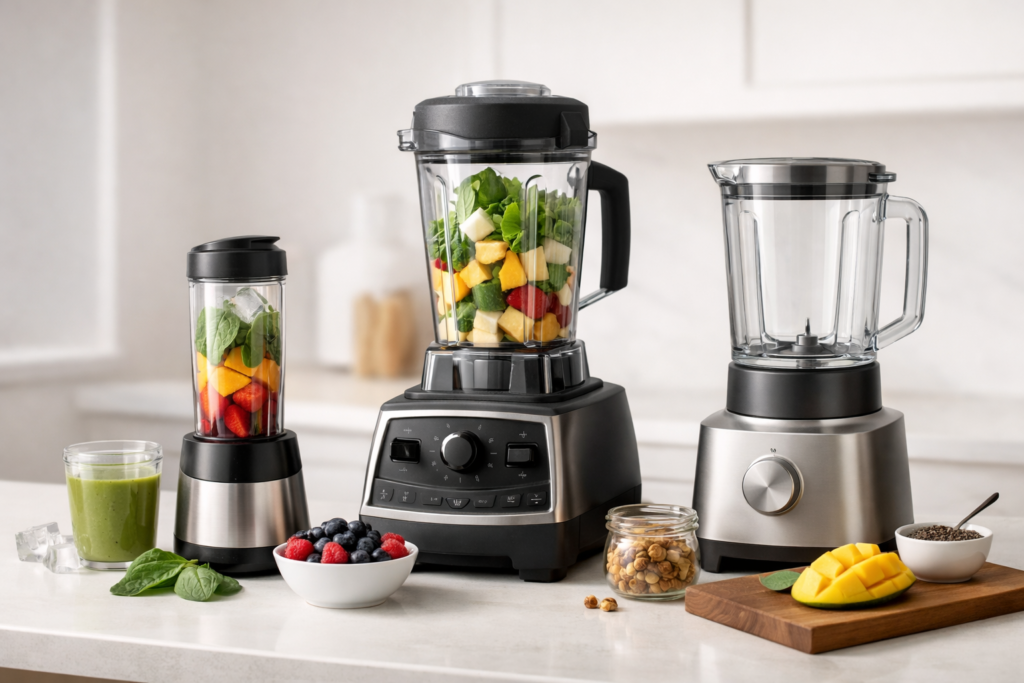
Introduction
Choosing the right blender for your kitchen can significantly enhance your culinary endeavors. Whether you’re a smoothie aficionado, a soup enthusiast, or just someone who enjoys cooking, a blender can be an invaluable kitchen companion. However, with numerous models and features available, making the right choice can be overwhelming. This guide will help you navigate through the various options, ensuring you find the perfect blender tailored to your needs.
- Introduction
- Understanding Blender Types
- Key Features to Consider
- How to Choose the Right Blender for Your Needs
- 1. Assess Your Needs
- 2. Determine the Power
- 3. Choose the Right Size
- 4. Look for Versatility
- 5. Check for Ease of Use and Cleaning
- 6. Read Reviews and Compare Brands
- FAQs About Choosing a Blender
- What type of blender is best for smoothies?
- Can I use an immersion blender for smoothies?
- How do I clean my blender?
- Are expensive blenders worth it?
- What’s the difference between a blender and a food processor?
- Conclusion
Want the fastest next step? Open one solid option and verify the key details in seconds.
Understanding Blender Types
Before diving into specific features, it’s essential to understand the different types of blenders available in the market. Each type serves unique purposes, and knowing these can help narrow down your choices.
- Countertop Blenders: These are the most common type, ideal for making smoothies, soups, and sauces. They come in various power levels and capacities.
- Immersion Blenders: Also known as stick blenders, these are handheld devices perfect for pureeing soups directly in the pot or for small batches.
- High-Performance Blenders: These powerful machines can handle tough ingredients, making them suitable for nut butters, frozen desserts, and more. Brands like Vitamix and Blendtec fall into this category.
- Personal Blenders: Compact and often with travel cups, these are designed for quick smoothies and single servings, perfect for those on the go.
Key Features to Consider
When choosing a blender, certain features can make a significant difference in functionality and ease of use. Here’s a comparison guide for essential blender features:
Before you click “buy”, scan the listing for a few decision-checks:
- Confirm the exact variant you need
- Check recent reviews for your use case
- Look at returns/warranty to reduce risk
| Feature | Description | Importance |
|---|---|---|
| Power | Measured in watts; higher wattage indicates more blending power. | Essential for tough ingredients. |
| Capacity | The size of the blender jar; typically ranges from 20 oz to 64 oz. | Choose based on meal size and servings. |
| Blade Design | Different designs can affect blending efficiency and texture. | Important for smoothness and consistency. |
| Speed Settings | Multiple speeds allow for better control over blending. | Useful for various recipes and textures. |
| Ease of Cleaning | Consider dishwasher-safe parts or self-cleaning features. | Enhances convenience and maintenance. |
| Material Quality | Glass vs. plastic jars; glass is generally more durable and less likely to retain odors. | Impacts longevity and performance. |
How to Choose the Right Blender for Your Needs
Choosing the right blender involves understanding your personal cooking habits and preferences. Here’s a step-by-step guide to help you find the best fit:
1. Assess Your Needs
Start by evaluating how you plan to use the blender. Are you primarily making smoothies, soups, or sauces? Do you need a blender for occasional use or daily meal prep? Identifying your primary use will guide you toward the right type.
Open 2–3 listings and compare the same criteria (variants, returns, reviews).
2. Determine the Power
If you plan to blend harder ingredients like frozen fruits or nuts, opt for a model with at least 600 watts. For regular smoothies and softer ingredients, a lower wattage around 300-500 may suffice.
3. Choose the Right Size
Consider the capacity that suits your cooking style. For single servings, a personal blender is ideal. If you often cook for family or entertain, a larger capacity of 48-64 oz will be more appropriate.
If this sounds like you, start here and compare the details that matter to you.
Check on Amazon4. Look for Versatility
Models with multiple speed settings and pre-programmed functions can handle different tasks efficiently. Some blenders even offer settings for specific recipes like smoothies or nut butters.
5. Check for Ease of Use and Cleaning
Choose a blender with user-friendly controls and a design that makes it easy to pour and serve. Additionally, consider models with dishwasher-safe components or self-cleaning features, which save time and hassle.
Open the listing, check compatibility/size + warranty, and you’ll know quickly if it fits your needs.
Check on Amazon6. Read Reviews and Compare Brands
Research different brands and read customer reviews. Reliable brands like Ninja, KitchenAid, and Vitamix often have models praised for quality and performance. Read customer reviews here.
FAQs About Choosing a Blender
What type of blender is best for smoothies?
A high-performance countertop blender is generally the best for smoothies, as it can handle tough ingredients like frozen fruits and leafy greens, providing a smooth consistency.
Want the fastest next step? Open one solid option and verify the key details in seconds.
Can I use an immersion blender for smoothies?
While immersion blenders can be used for smoothies, they may not achieve the same smoothness as countertop models, especially when blending tough ingredients.
How do I clean my blender?
Many blenders have removable parts that are dishwasher safe. For a quick clean, fill the blender with warm water and a drop of dish soap, then blend and rinse.
Before you click “buy”, scan the listing for a few decision-checks:
- Confirm the exact variant you need
- Check recent reviews for your use case
- Look at returns/warranty to reduce risk
Are expensive blenders worth it?
Higher-priced blenders often come with more powerful motors, better build quality, and advanced features. If you use your blender frequently or require specific functionalities, investing in a quality model can be worthwhile.
What’s the difference between a blender and a food processor?
While both appliances blend ingredients, blenders are better for liquids and smoothies, while food processors are designed for chopping, slicing, and grating solid foods.
Open 2–3 listings and compare the same criteria (variants, returns, reviews).
Conclusion
Choosing the right blender for your kitchen doesn’t have to be a daunting task. By assessing your needs, understanding the available features, and considering the types of blenders, you can find a model that suits your cooking style. Remember to look for trusted brands and reviews to ensure you make an informed decision. For more options, check out our recommended blenders here.
Disclosure: This post contains affiliate links. If you buy through them, we may earn a commission at no extra cost to you.
If this sounds like you, start here and compare the details that matter to you.
Check on Amazon