
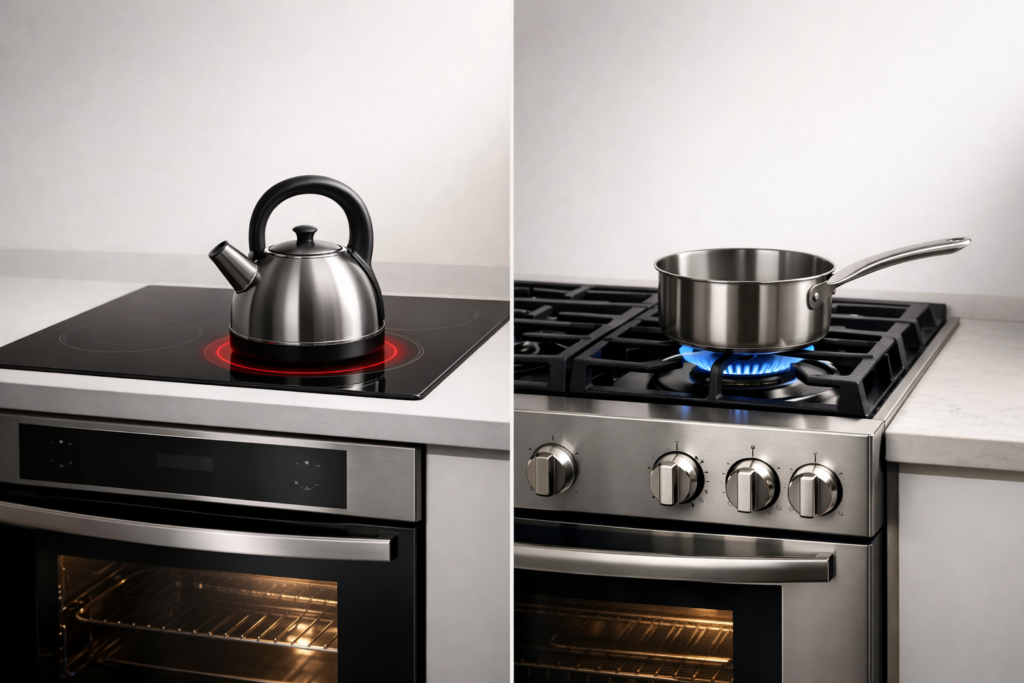
Comparing Electric vs. Gas Kitchen Appliances: A Comprehensive Guide
When equipping your kitchen, one of the most critical decisions you’ll face is whether to choose electric or gas appliances. Both types offer unique advantages and disadvantages that can significantly affect your cooking experience, utility bills, and overall kitchen efficiency. This guide will help you navigate the pros and cons of electric versus gas appliances so you can make an informed choice that best suits your cooking style and home environment.
- Understanding Electric vs. Gas Appliances
- Pros and Cons of Electric Appliances
- Pros and Cons of Gas Appliances
- Comparison Criteria: Electric vs. Gas Appliances
- How to Choose Between Electric and Gas Appliances
- 1. Cooking Style
- 2. Energy Costs
- 3. Installation Requirements
- 4. Maintenance and Safety
- 5. Future Upgrades
- Frequently Asked Questions (FAQs)
- 1. Are gas appliances better for cooking?
- 2. Do electric appliances consume more energy?
- 3. Can I switch from gas to electric appliances easily?
- 4. Are there hybrid options available?
- 5. What are the best practices for maintaining gas appliances?
- 6. What about the environmental impact of electric vs. gas appliances?
Want the fastest next step? Open one solid option and verify the key details in seconds.
Understanding Electric vs. Gas Appliances
Electric appliances are powered by electricity and include items like ovens, stoves, and microwaves. Gas appliances, on the other hand, operate using natural gas or propane and include ranges, ovens, and cooktops. While both can effectively perform the same cooking tasks, their operational differences can lead to varying results in terms of efficiency, heat distribution, and cost.
Pros and Cons of Electric Appliances
- Pros:
- Ease of Use: Electric appliances are often easier to use, as they typically feature clear settings and require less manual intervention.
- Better Heat Control: Electric stoves usually provide a more consistent temperature, making it easier to maintain even cooking.
- Less Maintenance: They generally require less maintenance and have fewer safety concerns compared to gas appliances.
- Variety: Electric appliances often come in a broader range of styles and features, catering to diverse cooking needs.
- Cons:
- Higher Energy Costs: Electricity can be more expensive than gas, leading to higher utility bills.
- Longer Cooking Times: Electric ovens may take longer to preheat and cook food compared to gas ovens.
- Less Immediate Temperature Changes: Electric appliances can take longer to adjust to temperature changes, which might affect cooking precision.
Pros and Cons of Gas Appliances
- Pros:
- Lower Operating Costs: Gas is often cheaper than electricity, which can lead to lower energy bills.
- Rapid Heating: Gas appliances heat up quickly, providing instant control over cooking temperatures.
- More Cooking Techniques: The open flame allows for various cooking techniques, such as charring or flambéing.
- Reliability During Outages: Gas appliances can still function during power outages, making them a reliable choice.
- Cons:
- Installation Complexity: Gas appliances require proper installation and ventilation, which can complicate setup.
- Safety Concerns: There is a risk of gas leaks and carbon monoxide poisoning, necessitating careful monitoring.
- Less Even Heating: Gas burners may have hot spots, leading to uneven cooking unless monitored closely.
Comparison Criteria: Electric vs. Gas Appliances
| Criteria | Electric Appliances | Gas Appliances |
|---|---|---|
| Energy Cost | Generally higher | Generally lower |
| Heat Control | Consistent and precise | Immediate but can be uneven |
| Maintenance | Less frequent | More frequent due to safety checks |
| Cooking Speed | Slower preheating | Quick heating and cooling |
| Installation | Simple | Complex; requires ventilation |
How to Choose Between Electric and Gas Appliances
When deciding between electric and gas appliances, consider the following factors:
Open the listing, check returns policy + compatibility/size, and you’ll know quickly if it fits your needs.
Check on Amazon1. Cooking Style
Evaluate how you typically cook. If you prefer precise temperature control and consistent cooking, electric might be your best choice. If you enjoy techniques that require quick temperature adjustments, gas could be more suitable.
2. Energy Costs
Look at your local utility rates. If gas is cheaper in your area, gas appliances may save you more money in the long run. Conversely, if electricity rates are lower, electric appliances might be a better investment.
If this sounds like you, start here and compare the details that matter to you.
Check on Amazon3. Installation Requirements
Consider the complexity of installation. Gas appliances need a proper gas line and ventilation, which might not be feasible in all homes. Electric appliances generally have simpler installation processes.
4. Maintenance and Safety
Think about how much maintenance you’re willing to perform. Gas appliances require regular checks for leaks, whereas electric appliances typically require less routine maintenance. Also, consider your comfort level with potential safety risks associated with gas.
Open 2–3 listings and compare the same criteria (variants, returns, reviews).
- Best overall: kitchen appliance options
- Best value: kitchen appliance options
- Upgrade pick: kitchen appliance options
5. Future Upgrades
If you plan to upgrade your kitchen appliances in the future, consider how your choice may affect your options later. Some kitchens may be better suited for one type of appliance over the other based on layout and existing infrastructure.
Frequently Asked Questions (FAQs)
1. Are gas appliances better for cooking?
While gas appliances offer instant heat and more cooking techniques, whether they are better depends on your cooking style and preferences. Electric appliances provide consistency and ease of use.
Before you click “buy”, scan the listing for a few decision-checks:
- Confirm the exact variant you need
- Check recent reviews for your use case
- Look at returns/warranty to reduce risk
2. Do electric appliances consume more energy?
Electric appliances can consume more energy depending on local utility rates. However, they may be more efficient in certain cooking tasks.
3. Can I switch from gas to electric appliances easily?
Switching from gas to electric appliances may require electrical upgrades and possibly structural changes in your kitchen, which can complicate the process.
Want the fastest next step? Open one solid option and verify the key details in seconds.
4. Are there hybrid options available?
Yes! Many manufacturers offer hybrid appliances that combine both electric and gas features, allowing you to enjoy the benefits of both.
5. What are the best practices for maintaining gas appliances?
Regularly check for gas leaks, ensure proper ventilation, and have a licensed technician perform yearly inspections to maintain safety.
Open the listing, check returns policy + warranty, and you’ll know quickly if it fits your needs.
Check on Amazon6. What about the environmental impact of electric vs. gas appliances?
Electric appliances can be more environmentally friendly if powered by renewable energy. Gas appliances emit greenhouse gases, so consider your energy source when making your decision.
In conclusion, choosing between electric and gas kitchen appliances ultimately depends on your cooking preferences, budget, and lifestyle. By weighing the pros and cons and considering the factors outlined above, you can make an informed decision that enhances your cooking experience. For those looking to explore options further, consider researching specific models and user reviews to find the best fit for your kitchen.
If this sounds like you, start here and compare the details that matter to you.
Check on AmazonFor additional resources on kitchen appliances, check the FTC consumer advice for tips on appliance safety and selection.
Whether you opt for electric or gas, investing in quality kitchen appliances will elevate your cooking experience. For the latest models, check out these options: kitchen appliance options
Open 2–3 listings and compare the same criteria (variants, returns, reviews).
- Best overall: kitchen appliance options
- Best value: kitchen appliance options
- Upgrade pick: kitchen appliance options
Disclosure: This post contains affiliate links. If you buy through them, we may earn a commission at no extra cost to you.