
Introduction
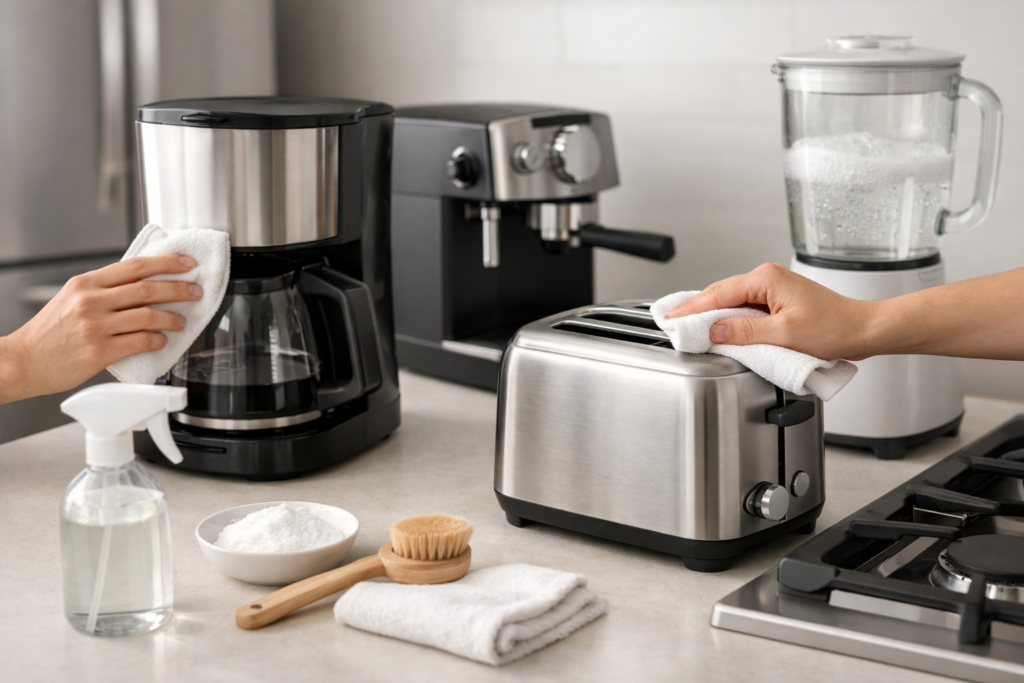
Maintaining and cleaning your kitchen appliances is essential not only for keeping them looking good but also for ensuring they function efficiently for years to come. A well-maintained appliance can save you time, energy, and money while enhancing your cooking experience. In this guide, we will cover effective methods for cleaning various kitchen appliances and provide actionable tips to help prolong their lifespan.
- Introduction
- Why Cleaning Kitchen Appliances Matters
- Comparison Criteria for Cleaning Kitchen Appliances
- How to Choose the Right Cleaning Method
- Refrigerator
- Oven
- Microwave
- Dishwasher
- Coffee Maker
- FAQs About Cleaning Kitchen Appliances
- 1. How often should I clean my kitchen appliances?
- 2. What cleaning products should I avoid?
- 3. Can I use vinegar on all appliances?
- 4. What’s the best way to handle tough stains?
- 5. Should I unplug appliances while cleaning?
- Conclusion
Open 2–3 listings and compare the same criteria (variants, returns, reviews).
- Best overall: Hario V60 Ceramic Coffee Dripper, Size 02
- Best value: Capresso 465 CoffeeTeam TS 10-Cup Digital Coffeemaker
- Upgrade pick: Baratza Encore Conical Burr Coffee Grinder
Why Cleaning Kitchen Appliances Matters
Regular cleaning and maintenance of kitchen appliances serve several important purposes:
- Improved Efficiency: Dust, grease, and food particles can hinder appliance performance, leading to longer cooking times and higher energy consumption.
- Enhanced Longevity: Keeping appliances clean can prevent wear and tear, ultimately extending their useful life.
- Hygiene: Clean appliances reduce the risk of foodborne illnesses by minimizing bacteria growth on surfaces.
- Aesthetic Appeal: Regular cleaning keeps your kitchen looking fresh and inviting.
Comparison Criteria for Cleaning Kitchen Appliances
To effectively maintain your kitchen appliances, consider the following criteria:
Open the listing, check returns policy + compatibility/size, and you’ll know quickly if it fits your needs.
Check on Amazon| Appliance Type | Cleaning Frequency | Preferred Cleaning Method | Common Cleaning Products |
|---|---|---|---|
| Refrigerator | Monthly | Wipe down surfaces, deep clean interior | Vinegar, baking soda, mild detergent |
| Oven | Monthly | Self-cleaning, manual scrub | Oven cleaner, baking soda paste |
| Microwave | Weekly | Steam cleaning, wipe down | Lemon water, vinegar solution |
| Dishwasher | Monthly | Run empty cycle with cleaner | Commercial dishwasher cleaner, vinegar |
| Coffee Maker | Monthly | Descale and clean carafe | Vinegar, descaling solution |
How to Choose the Right Cleaning Method
Selecting the appropriate cleaning method for each appliance depends on various factors:
- Material: Different materials require different cleaning approaches. For instance, stainless steel may need specific cleaners to avoid streaks, while ceramic surfaces can withstand more abrasive cleaners.
- Usage: Appliances used frequently, like coffee makers and microwaves, may require more regular cleaning than those used less often.
- Manufacturer Recommendations: Always consult your appliance’s user manual for specific cleaning instructions and recommended products.
Here are some tips for common kitchen appliances:
Before you click “buy”, scan the listing for a few decision-checks:
- Confirm the exact variant you need
- Check recent reviews for your use case
- Look at returns/warranty to reduce risk
Refrigerator
- Remove all food items and shelves.
- Use a mixture of vinegar and water to wipe down the interior.
- Clean the rubber seals with a mild detergent to prevent mold.
- Don’t forget to vacuum the coils at the back of the fridge to improve efficiency.
Oven
- For self-cleaning ovens, follow the manufacturer’s instructions.
- If cleaning manually, a paste made from baking soda and water can be effective. Apply it, let it sit, and scrub off any baked-on residue.
- Use a commercial oven cleaner for tough spots, ensuring proper ventilation.
Microwave
- Place a bowl of water with lemon juice in the microwave and heat it for several minutes to create steam.
- Wipe down the interior with a soft cloth after the steam cycle.
- For stubborn stains, a vinegar solution can be helpful.
Dishwasher
- Run an empty cycle with a dishwasher cleaner or a cup of vinegar to help remove buildup.
- Wipe the door and exterior with a damp cloth regularly.
- Check and clean the filter monthly to avoid clogs.
Coffee Maker
- Run a mixture of equal parts water and vinegar through the machine to descale.
- Clean the carafe with warm soapy water after each use.
- Use filtered water to prevent mineral buildup.
FAQs About Cleaning Kitchen Appliances
1. How often should I clean my kitchen appliances?
It varies by appliance, but a general rule of thumb is to clean high-use items like the microwave and coffee maker weekly, while larger appliances like ovens and refrigerators can be cleaned monthly.
2. What cleaning products should I avoid?
Avoid harsh chemicals that can damage surfaces, such as bleach or abrasive cleaners. Always check the manufacturer’s recommendations.
If this sounds like you, start here and compare the details that matter to you.
Check on Amazon3. Can I use vinegar on all appliances?
Vinegar is a versatile cleaner, but avoid using it on natural stone surfaces as it can cause etching. Always test a small area first if unsure.
4. What’s the best way to handle tough stains?
For tough stains, a paste of baking soda and water can be effective. Apply it to the stain, let it sit, and then scrub gently.
Want the fastest next step? Open one solid option and verify the key details in seconds.
5. Should I unplug appliances while cleaning?
While it’s not always necessary, unplugging appliances can be a good safety measure, especially for electrical appliances like mixers or toasters.
Conclusion
Regular maintenance and cleaning of your kitchen appliances can significantly enhance their performance and lifespan. By following these straightforward cleaning techniques and tips, you can ensure your appliances remain in top condition, making your cooking experience more enjoyable and efficient. Remember, a little effort goes a long way in preserving the functionality and aesthetics of your kitchen appliances.
Open 2–3 listings and compare the same criteria (variants, returns, reviews).
- Best overall: Hario V60 Ceramic Coffee Dripper, Size 02
- Best value: Bodum Chambord French Press Coffee Maker, 1L
- Upgrade pick: Rancilio Silvia Espresso Machine, 2020 Model
For the best cleaning products, check out recommended cleaning supplies. Happy cleaning!
Disclosure: This post contains affiliate links. If you buy through them, we may earn a commission at no extra cost to you.
Open the listing, check returns policy + returns policy, and you’ll know quickly if it fits your needs.
Check on Amazon