
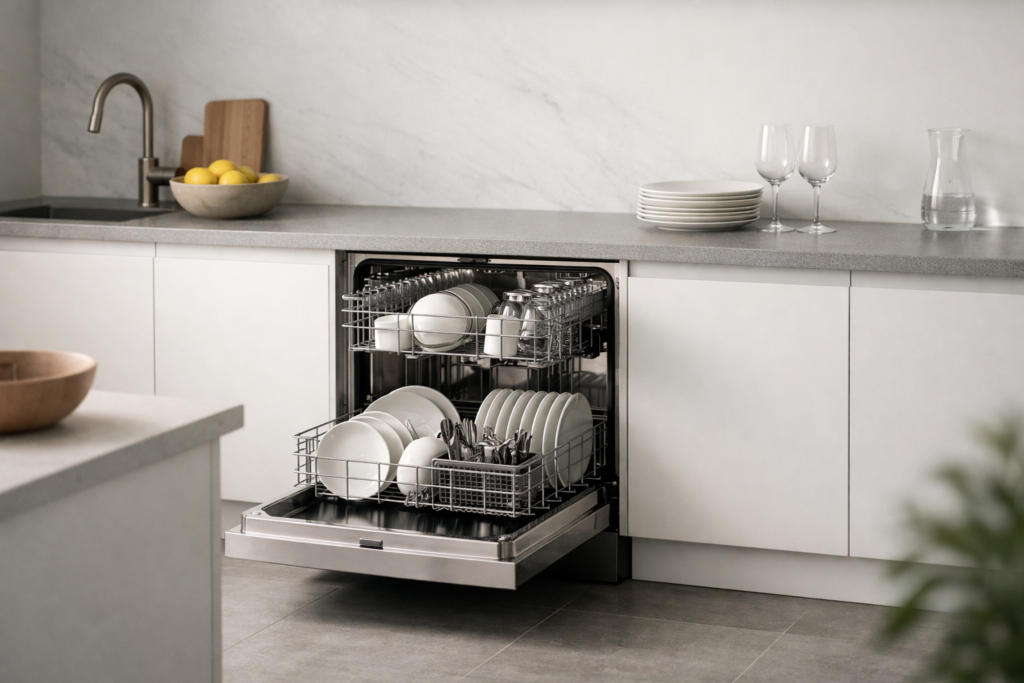
How to Choose the Right Dishwasher for Your Kitchen
Finding the right dishwasher can significantly enhance your kitchen experience, making cleanup easier and more efficient. Whether you’re a busy parent, a culinary enthusiast, or someone who simply dislikes washing dishes, selecting the perfect dishwasher is crucial. This guide will delve into the key factors to consider when choosing a dishwasher, including size, features, and efficiency.
- How to Choose the Right Dishwasher for Your Kitchen
- Key Factors in Choosing a Dishwasher
- How to Choose the Right Dishwasher for Your Needs
- 1. Assess Your Space
- 2. Determine Your Needs
- 3. Energy Efficiency Matters
- 4. Noise Level Considerations
- 5. Explore Wash Cycles and Features
- 6. Drying Methods
- 7. Review Interior Layout
- 8. Smart Features
- Maintenance Tips for Your Dishwasher
- Frequently Asked Questions (FAQs)
- 1. How do I know if I need a standard or compact dishwasher?
- 2. Are energy-efficient dishwashers worth the investment?
- 3. What should I do if my dishwasher isn’t cleaning properly?
- 4. Can I install a dishwasher myself?
- 5. What are some common problems with dishwashers?
- Conclusion
Open the listing, check compatibility/size + returns policy, and you’ll know quickly if it fits your needs.
Check on AmazonKey Factors in Choosing a Dishwasher
When selecting a dishwasher, various criteria can help you make an informed decision. Below is a comparison table that outlines the essential features to consider:
| Criteria | Details |
|---|---|
| Size | Standard (24 inches), Compact (18 inches), or Drawer models |
| Type | Built-in, Portable, or Countertop |
| Energy Efficiency | Look for ENERGY STAR® ratings |
| Noise Level | Measured in decibels (dB); quieter models are preferable |
| Wash Cycles | Normal, Heavy, Quick, Eco, and more |
| Drying Method | Heated drying vs. condensation drying |
| Interior Layout | Adjustable racks, silverware baskets, and foldable tines |
| Smart Features | Wi-Fi connectivity, app control, and more |
How to Choose the Right Dishwasher for Your Needs
Choosing a dishwasher involves several steps and considerations. Here’s a structured approach to guide you through the process:
If this sounds like you, start here and compare the details that matter to you.
Check on Amazon1. Assess Your Space
Before you even start looking at models, measure the space where you plan to install the dishwasher. Standard built-in dishwashers are typically 24 inches wide, while compact models are around 18 inches. If you have limited space, consider portable or countertop options, which can be a great solution without the need for permanent installation.
2. Determine Your Needs
Consider your household size and dishwashing habits:
Want the fastest next step? Open one solid option and verify the key details in seconds.
- Small Households: If you live alone or with just one other person, a compact or portable model may suffice.
- Medium to Large Households: A standard-sized built-in dishwasher is usually more effective for larger families or those who entertain frequently.
- Specific Needs: If you have delicate dishware or cook with a lot of pots and pans, look for models with specialized wash cycles.
3. Energy Efficiency Matters
Energy-efficient dishwashers can save you money on utility bills in the long run. Look for dishwashers with the ENERGY STAR® label, which indicates that they meet strict efficiency guidelines set by the U.S. Environmental Protection Agency. They consume less water and energy compared to standard models.
4. Noise Level Considerations
Noise levels can vary significantly between models, typically measured in decibels (dB). If your kitchen is open to the living area, opt for a quieter model, usually around 44 dB or lower. For reference, a normal conversation is about 60 dB, so aim for a dishwasher that operates at a comfortable noise level.
Open 2–3 listings and compare the same criteria (variants, returns, reviews).
- Best overall: exploring dishwashers online
- Best value: exploring dishwashers online
- Upgrade pick: exploring dishwashers online
5. Explore Wash Cycles and Features
Modern dishwashers offer a variety of wash cycles tailored to different cleaning needs. Here are some common options:
- Normal: For everyday dishes.
- Heavy: For pots, pans, and heavily soiled items.
- Quick: For lightly soiled dishes that need a fast wash.
- Eco: For energy and water conservation.
Additionally, look for features like adjustable racks, a soil sensor that adjusts the wash cycle based on dirtiness, and smart features that allow remote operation.
Before you click “buy”, scan the listing for a few decision-checks:
- Confirm the exact variant you need
- Check recent reviews for your use case
- Look at returns/warranty to reduce risk
6. Drying Methods
Dishwashers typically use either heated drying or condensation drying. Heated drying uses a heating element to dry dishes quickly but can consume more energy. Condensation drying uses the heat from the wash cycle to evaporate moisture, which can be more energy-efficient but may leave some dishes slightly damp.
7. Review Interior Layout
The interior layout of the dishwasher should accommodate your dishware effectively. Look for features like:
Open the listing, check compatibility/size + warranty, and you’ll know quickly if it fits your needs.
Check on Amazon- Adjustable top racks for taller items.
- Foldable tines for flexible arrangements.
- Dedicated silverware baskets to keep utensils organized.
8. Smart Features
Many modern dishwashers come with smart technology that allows you to control and monitor them via a smartphone app. Look for features like:
- Remote start and monitoring
- Cycle notifications
- Diagnostic tools to troubleshoot issues
These features can add convenience and efficiency to your dishwashing routine.
If this sounds like you, start here and compare the details that matter to you.
Check on AmazonMaintenance Tips for Your Dishwasher
Once you’ve chosen the right dishwasher, maintaining it is crucial for longevity and performance. Here are some maintenance tips:
- Regular Cleaning: Clean the filter and spray arms regularly to prevent clogs.
- Check Seals: Inspect the door seals for wear and tear to ensure a proper seal.
- Run Hot Water: Before starting a cycle, run the hot water in your sink to ensure the dishwasher receives hot water from the start.
- Descale: Use a dishwasher cleaner to remove mineral buildup periodically.
Frequently Asked Questions (FAQs)
1. How do I know if I need a standard or compact dishwasher?
If you typically wash a lot of dishes or have a large family, a standard 24-inch dishwasher is recommended. For smaller living spaces or households with one or two people, a compact model may be sufficient.
Want the fastest next step? Open one solid option and verify the key details in seconds.
2. Are energy-efficient dishwashers worth the investment?
Yes! Energy-efficient dishwashers can save you money on water and electricity bills over time, making them a wise investment.
3. What should I do if my dishwasher isn’t cleaning properly?
Check the spray arms for clogs, ensure that dishes are loaded correctly, and clean the filter. If problems persist, consider consulting the manufacturer’s troubleshooting guide.
Open 2–3 listings and compare the same criteria (variants, returns, reviews).
- Best overall: exploring dishwashers online
- Best value: exploring dishwashers online
- Upgrade pick: exploring dishwashers online
4. Can I install a dishwasher myself?
While it’s possible to install a dishwasher yourself if you have basic plumbing and electrical skills, it’s often advisable to hire a professional to ensure proper installation.
5. What are some common problems with dishwashers?
Common issues include poor cleaning performance, leaks, strange noises, and failure to drain. Regular maintenance can help prevent many of these problems.
Before you click “buy”, scan the listing for a few decision-checks:
- Confirm the exact variant you need
- Check recent reviews for your use case
- Look at returns/warranty to reduce risk
Conclusion
Choosing the right dishwasher can significantly improve your kitchen experience, making clean-up easier and more efficient. By considering factors like size, features, and energy efficiency, you can find a model that best fits your lifestyle. Remember to maintain your dishwasher regularly to ensure it operates at peak performance for years to come.
For more information on kitchen appliances and to explore various options, check out resources like the FTC Consumer Advice.
Open the listing, check returns policy + warranty, and you’ll know quickly if it fits your needs.
Check on AmazonSo, whether you are exploring dishwashers online or visiting local stores, take your time to choose wisely. Your future self will thank you!
discover maintenance cleaners here
Disclosure: This post contains affiliate links. If you buy through them, we may earn a commission at no extra cost to you.