
Introduction
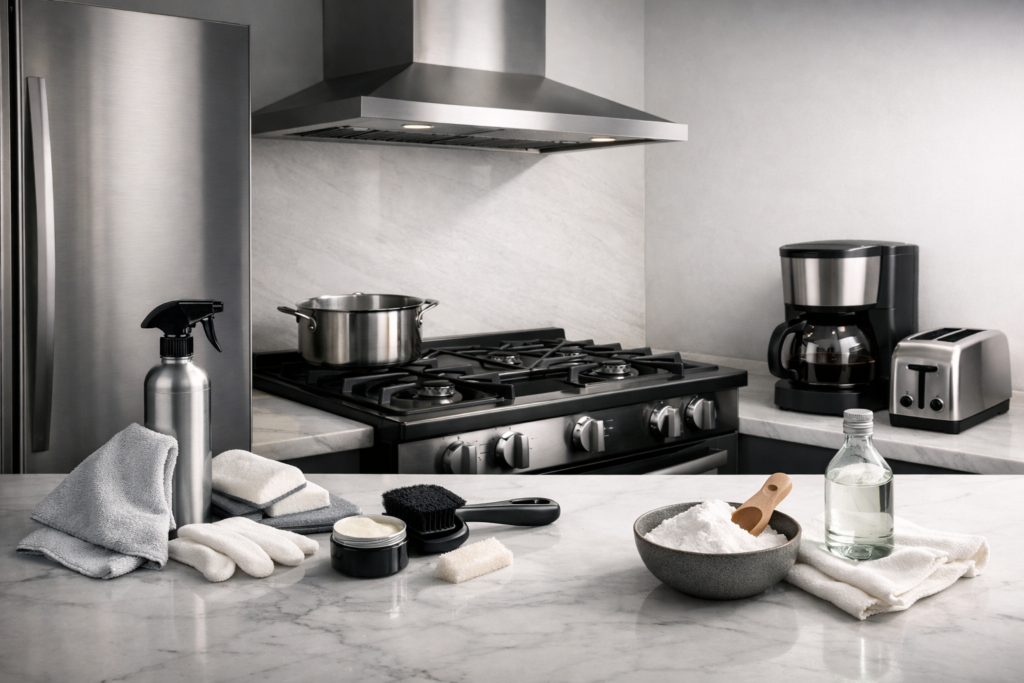
Kitchen appliances are the backbone of a functional kitchen. From refrigerators to dishwashers, each device plays a crucial role in our daily lives. However, without proper maintenance, these appliances can become less efficient, leading to higher energy bills and unexpected failures. This guide provides detailed insights into kitchen appliance maintenance, ensuring you get the best results with minimum guesswork.
- Introduction
- Why Maintain Your Kitchen Appliances?
- Comparison Criteria for Kitchen Appliance Maintenance
- How to Choose the Right Maintenance Strategy for Your Appliances
- 1. Know Your Appliance
- 2. Establish a Schedule
- 3. Use the Right Cleaning Products
- 4. Keep Parts in Good Condition
- 5. Seek Professional Maintenance When Necessary
- Common Kitchen Appliance Maintenance Tips
- FAQ on Kitchen Appliance Maintenance
- 1. How often should I clean my refrigerator?
- 2. What should I do if my dishwasher isn’t cleaning properly?
- 3. How can I prevent odors in my microwave?
- 4. When should I seek professional help for appliance maintenance?
- 5. Are there specific cleaning products I should avoid?
- Conclusion
Open 2–3 listings and compare the same criteria (variants, returns, reviews).
- Best overall: Baratza Encore Conical Burr Coffee Grinder
- Best value: Breville BMV600XL Sous Chef Food Processor
- Upgrade pick: Bodum Chambord French Press Coffee Maker, 1L
Why Maintain Your Kitchen Appliances?
Understanding the importance of kitchen appliance maintenance is key to maximizing their lifespan and efficiency. Regular maintenance can:
- Enhance performance
- Reduce energy consumption
- Prevent costly repairs
- Ensure food safety
- Extend the lifespan of the appliance
Neglecting maintenance can lead to breakdowns and inefficiencies, making it crucial to establish a routine care regimen.
Open the listing, check compatibility/size + variants, and you’ll know quickly if it fits your needs.
Check on AmazonComparison Criteria for Kitchen Appliance Maintenance
When considering maintenance, various factors come into play. Here’s a table to help you navigate the essentials for each type of appliance:
| Appliance | Maintenance Frequency | Common Issues | Maintenance Tips |
|---|---|---|---|
| Refrigerator | Monthly | Temperature inconsistencies, ice buildup | Clean coils, check seals |
| Oven | Monthly | Uneven cooking, grease buildup | Inspect and clean burners, check temperature accuracy |
| Dishwasher | Monthly | Poor cleaning, odors | Clean filters, check spray arms |
| Microwave | Weekly | Uneven heating, odors | Wipe interior, check for damage |
| Blender | After each use | Motor issues, dull blades | Clean thoroughly, check for leaks |
How to Choose the Right Maintenance Strategy for Your Appliances
Choosing the right maintenance strategy involves understanding your specific appliance and its requirements. Here are some actionable steps to guide you:
Before you click “buy”, scan the listing for a few decision-checks:
- Confirm the exact variant you need
- Check recent reviews for your use case
- Look at returns/warranty to reduce risk
1. Know Your Appliance
Each type of kitchen appliance has unique maintenance needs. Refer to the user manual for specific instructions related to your appliances. If you’ve misplaced the manual, many manufacturers offer them online.
2. Establish a Schedule
Consistency is key. Create a maintenance calendar to remind you of tasks such as cleaning filters, inspecting seals, and checking for wear and tear. Consider setting reminders on your smartphone or using a physical planner.
Want the fastest next step? Open one solid option and verify the key details in seconds.
3. Use the Right Cleaning Products
Utilize cleaning products that are safe for your appliances. Avoid harsh chemicals that may damage surfaces. For example, vinegar and baking soda are excellent natural cleaners for many surfaces. Always perform a spot test on a small area first.
4. Keep Parts in Good Condition
Regularly inspect parts such as seals, gaskets, and filters. Replace worn or damaged components promptly. For example, refrigerator door seals that are cracked can lead to temperature issues and increased energy costs.
If this sounds like you, start here and compare the details that matter to you.
Check on Amazon5. Seek Professional Maintenance When Necessary
For complex appliances like ovens and refrigerators, consider hiring a professional for annual maintenance. They can perform in-depth inspections and repairs that might be outside your skill set.
Common Kitchen Appliance Maintenance Tips
Here are some general maintenance tips applicable across various kitchen appliances:
Open 2–3 listings and compare the same criteria (variants, returns, reviews).
- Best overall: Bodum Chambord French Press Coffee Maker, 1L
- Best value: Hario V60 Ceramic Coffee Dripper, Size 02
- Upgrade pick: Capresso 465 CoffeeTeam TS 10-Cup Digital Coffeemaker
- Regular Cleaning: Schedule regular cleanings to prevent buildup. For instance, clean your refrigerator inside and out to avoid odors.
- Check Connections: Ensure electrical and plumbing connections are secure. Loose connections can lead to inefficiencies or accidents.
- Monitor Performance: Pay attention to how your appliances perform. Any changes in noise, temperature, or function may indicate a problem.
- Ventilation: Keep appliances well-ventilated to prevent overheating. This is especially important for ovens and microwaves.
FAQ on Kitchen Appliance Maintenance
1. How often should I clean my refrigerator?
It’s recommended to clean your refrigerator monthly. This includes wiping down surfaces, cleaning shelves, and checking seals for any damage.
2. What should I do if my dishwasher isn’t cleaning properly?
If your dishwasher isn’t cleaning effectively, check the spray arms for blockages, clean the filter, and ensure that you’re loading it correctly. Sometimes, using the wrong detergent can also affect performance.
Open the listing, check warranty + warranty, and you’ll know quickly if it fits your needs.
Check on Amazon3. How can I prevent odors in my microwave?
To prevent odors, regularly wipe down the interior with a mild solution of vinegar and water. You can also place a bowl of water with lemon in the microwave and run it to freshen the air.
4. When should I seek professional help for appliance maintenance?
If you notice unusual sounds, persistent issues despite regular maintenance, or if you’re unsure how to perform a specific repair, it’s best to consult a professional technician.
Before you click “buy”, scan the listing for a few decision-checks:
- Confirm the exact variant you need
- Check recent reviews for your use case
- Look at returns/warranty to reduce risk
5. Are there specific cleaning products I should avoid?
Avoid abrasive cleaners that can scratch surfaces, as well as any cleaners with bleach or ammonia that could damage internal components. Always refer to your appliance’s manual for recommended cleaning products.
Conclusion
Maintaining your kitchen appliances is a straightforward process that pays off in longevity and efficiency. By following the tips outlined in this guide, you can ensure your appliances perform at their best and serve you well for years to come. Remember, regular maintenance not only saves you money in the long run but also enhances your cooking experience.
Want the fastest next step? Open one solid option and verify the key details in seconds.
For additional resources on kitchen appliance care, consider visiting the FTC’s consumer advice page for more tips and insights.
Now that you’re equipped with the knowledge on kitchen appliance maintenance, it’s time to get started! Keep your kitchen running smoothly and enjoy the benefits of well-maintained appliances.
If this sounds like you, start here and compare the details that matter to you.
Check on AmazonFor great maintenance supplies, check out options on Amazon.
Disclosure: This post contains affiliate links. If you buy through them, we may earn a commission at no extra cost to you.
Open 2–3 listings and compare the same criteria (variants, returns, reviews).
- Best overall: Cuisinart DFP-14BCNY Food Processor 14 Cup
- Best value: Bodum Chambord French Press Coffee Maker, 1L
- Upgrade pick: Hario V60 Ceramic Coffee Dripper, Size 02
### Update
As of 2023, many manufacturers have started incorporating smart technology into kitchen appliances, allowing for remote monitoring and maintenance alerts. This innovation can help you identify issues before they become significant problems. Consider taking advantage of these features to enhance your maintenance routine. Additionally, energy efficiency standards continue to evolve, so it’s beneficial to keep abreast of new guidelines and recommendations provided by energy authorities.