
Introduction
Choosing the right food processor can significantly enhance your cooking experience, making meal preparation quicker and more efficient. However, with numerous options available, selecting the perfect food processor can feel overwhelming. In this comprehensive buying guide, we’ll break down what to consider when purchasing a food processor, highlight key features, and provide maintenance tips to ensure longevity.
- Introduction
- Understanding Food Processors
- Key Features to Consider
- How to Choose a Food Processor
- Maintenance Tips for Longevity
- Frequently Asked Questions (FAQs)
- 1. What is the difference between a food processor and a blender?
- 2. Can I use a food processor for kneading dough?
- 3. Are food processors dishwasher safe?
- 4. How do I maintain my food processor’s blades?
- 5. How do I prevent my food processor from overheating?
- Conclusion
- Additional Resources
Before you click “buy”, scan the listing for a few decision-checks:
- Confirm the exact variant you need
- Check recent reviews for your use case
- Look at returns/warranty to reduce risk
Understanding Food Processors
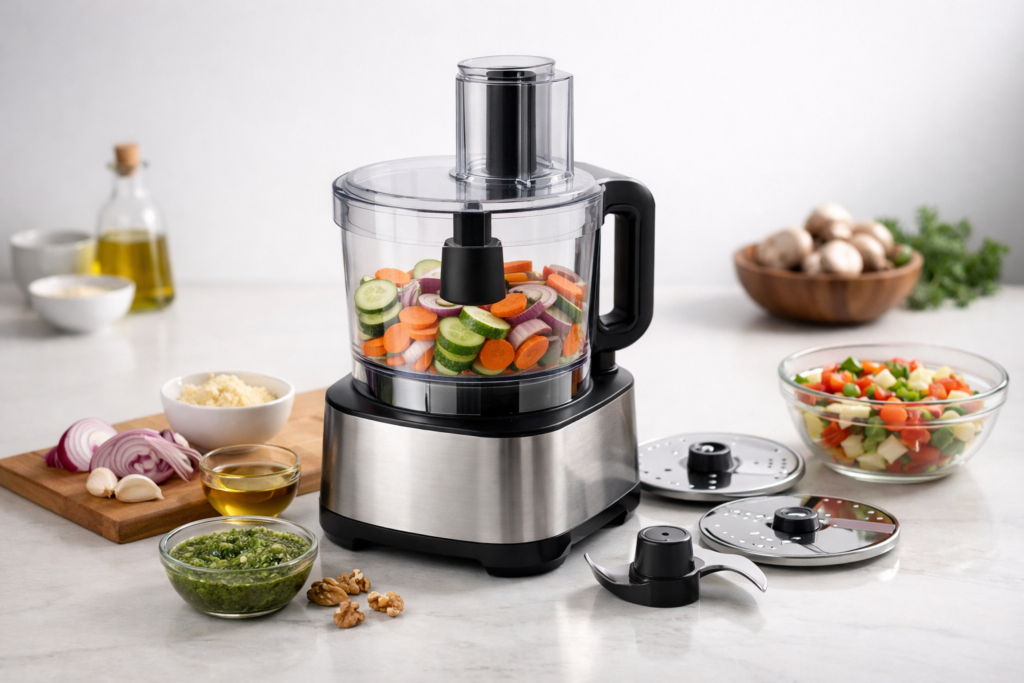
Food processors are versatile kitchen appliances designed to assist with various food preparation tasks, such as chopping, slicing, grating, and mixing. They can save you time and effort, making them an essential tool for both novice and experienced cooks. Here’s a quick overview of the basic types of food processors:
- Mini Food Processors: Ideal for small tasks like chopping herbs or making sauces.
- Full-Size Food Processors: Great for larger quantities and a broader range of tasks.
- Multi-Function Processors: These offer additional features like dough kneading and blending.
Key Features to Consider
When shopping for a food processor, several key features can guide your decision. Here’s a comparison table of criteria to consider:
If this sounds like you, start here and compare the details that matter to you.
Check on Amazon| Feature | Description | Importance |
|---|---|---|
| Power | Measured in watts, more power means better performance with tough ingredients. | High |
| Capacity | Size of the bowl; larger bowls are better for big batches. | Medium |
| Blades and Discs | Different blades for various tasks (slicing, shredding, etc.). | High |
| Speed Settings | Multiple speeds allow for better control over food processing. | Medium |
| Ease of Cleaning | Dishwasher-safe parts make cleanup hassle-free. | Medium |
| Safety Features | Features like locking lids and non-slip bases for secure operation. | High |
How to Choose a Food Processor
Choosing the right food processor involves assessing your cooking habits and needs. Here are some actionable steps to guide your decision:
- Identify Your Needs: Consider what tasks you’ll use the food processor for. If you mainly chop vegetables, a mini processor may suffice. For baking, a larger model with a dough blade may be required.
- Evaluate Capacity: Match the bowl size to your typical meal prep volume. A larger capacity is advantageous for families or meal preppers.
- Assess Power: Look for processors with at least 600 watts for effective processing. If you regularly work with dense ingredients, opt for higher wattage.
- Check Accessories: Ensure the model includes the necessary blades and discs for your intended use. Some models offer optional attachments for added functionality.
- Read Reviews: Look for feedback from other users to gauge reliability and performance. Pay attention to comments about durability and customer service.
- Consider Budget: While high-end models offer more features, numerous mid-range options provide excellent performance. Set a budget while considering features that matter most.
Maintenance Tips for Longevity
Proper maintenance can extend the life of your food processor. Here are some tips to keep it in top condition:
Want the fastest next step? Open one solid option and verify the key details in seconds.
- Clean After Each Use: Disassemble and wash all removable parts promptly to prevent food residue buildup.
- Avoid Overloading: Don’t exceed the recommended capacity, as it can strain the motor and damage the appliance.
- Store Properly: Keep the processor in a dry location, and avoid jamming accessories together to prevent damage.
- Inspect Parts Regularly: Check blades and other components for wear and tear; replace them as needed.
Frequently Asked Questions (FAQs)
1. What is the difference between a food processor and a blender?
A food processor is more versatile, designed for chopping, slicing, and grating, whereas a blender is primarily for pureeing liquids.
2. Can I use a food processor for kneading dough?
Yes, many food processors come with a dough blade, making them suitable for kneading dough for bread and pastries.
Open the listing, check compatibility/size + warranty, and you’ll know quickly if it fits your needs.
Check on Amazon3. Are food processors dishwasher safe?
Most food processors have removable parts that are dishwasher safe, but always check the manufacturer’s guidelines to be sure.
4. How do I maintain my food processor’s blades?
Keep blades sharp by regularly cleaning them after use and avoiding hard ingredients that can dull them. Consider replacing them if they become damaged or dull.
Open 2–3 listings and compare the same criteria (variants, returns, reviews).
- Best overall: multiple online retailers
- Best value: multiple online retailers
- Upgrade pick: multiple online retailers
5. How do I prevent my food processor from overheating?
To prevent overheating, avoid running the processor for extended periods without breaks and don’t overload it with ingredients.
Conclusion
Investing in a food processor can elevate your cooking efficiency and creativity. By understanding your needs and considering the crucial features outlined in this guide, you’re well on your way to selecting the perfect model for your kitchen. Remember to maintain your appliance properly to ensure it serves you well for years to come.
Before you click “buy”, scan the listing for a few decision-checks:
- Confirm the exact variant you need
- Check recent reviews for your use case
- Look at returns/warranty to reduce risk
For a variety of food processors to choose from, check out products available on multiple online retailers.
Additional Resources
For further information on consumer rights and appliance safety, visit the FTC Consumer Advice.
If this sounds like you, start here and compare the details that matter to you.
Check on AmazonDisclosure: This post contains affiliate links. If you buy through them, we may earn a commission at no extra cost to you.