
Introduction
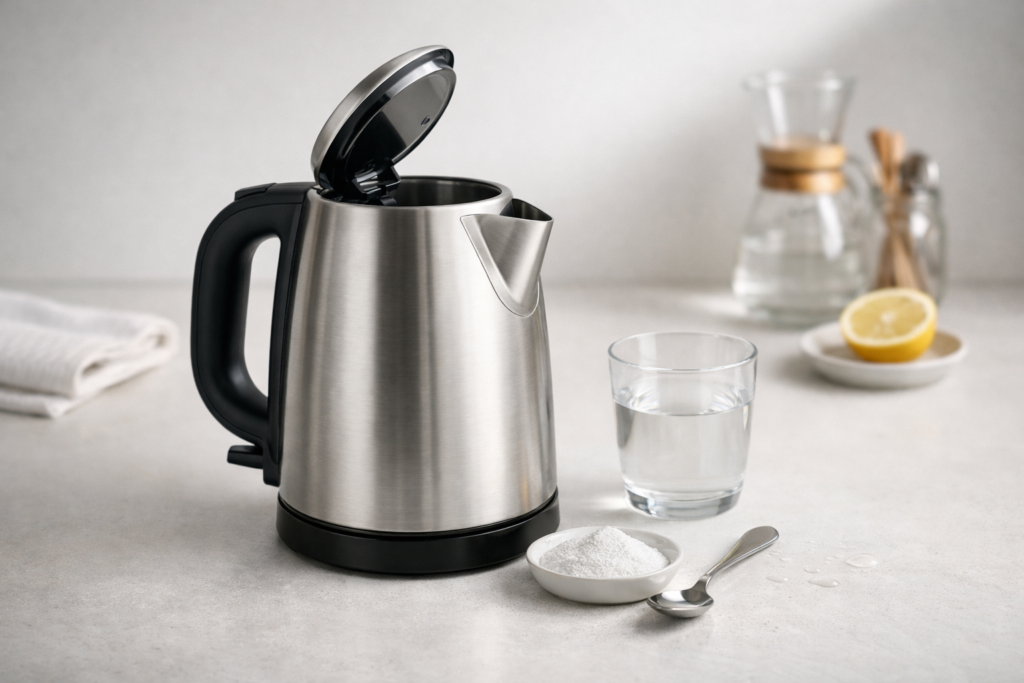
Electric kettles are a staple in many kitchens, offering convenience and speed when boiling water for tea, coffee, or cooking. However, like any appliance, they require proper care and maintenance to ensure longevity and optimal performance. This article is designed to guide you through the essential steps for maintaining your electric kettle, helping you enjoy its benefits for years to come.
- Introduction
- Why Maintenance Matters
- Comparison Criteria for Maintaining Electric Kettles
- How to Choose the Right Cleaning Supplies
- Essential Maintenance Tips for Your Electric Kettle
- 1. Regular Cleaning
- 2. Descaling Your Kettle
- 3. Cleaning the Exterior
- 4. Checking the Cord and Plug
- 5. Testing Water Temperature
- How to Choose the Best Electric Kettle for Your Needs
- Frequently Asked Questions (FAQs)
- 1. How often should I descale my electric kettle?
- 2. Can I use lemon juice to clean my kettle?
- 3. What should I do if my kettle has a strange odor?
- 4. Is it safe to leave water in my electric kettle?
- 5. How do I know if my kettle is malfunctioning?
- Conclusion
If this sounds like you, start here and compare the details that matter to you.
Check on AmazonWhy Maintenance Matters
Regular maintenance of your electric kettle not only prolongs its life but also enhances its efficiency. Neglecting to clean or descale your kettle can lead to mineral buildup, which may affect the heating element and overall performance. By taking proactive steps, you can avoid costly repairs or replacements.
Comparison Criteria for Maintaining Electric Kettles
| Criteria | Importance | Recommended Frequency |
|---|---|---|
| Cleaning Interior | High | Monthly |
| Descaling | High | Every 1-3 months |
| Cleaning Exterior | Medium | Weekly |
| Checking Cord and Plug | High | Monthly |
| Testing Water Temperature | Medium | As needed |
How to Choose the Right Cleaning Supplies
When maintaining your electric kettle, it’s important to choose the right cleaning supplies. Here are some recommendations:
Open 2–3 listings and compare the same criteria (variants, returns, reviews).
- Best overall: popular electric kettles available online
- Best value: popular electric kettles available online
- Upgrade pick: popular electric kettles available online
- White Vinegar: A natural descaler that is effective for removing mineral deposits.
- Baking Soda: Useful for cleaning and deodorizing the interior.
- Soft Cloth or Sponge: To avoid scratching the surface.
- Non-abrasive Cleaner: For exterior cleaning, especially for stainless steel models.
Essential Maintenance Tips for Your Electric Kettle
1. Regular Cleaning
Cleaning the interior of your electric kettle should be a monthly task. Here’s how:
- Fill the kettle with equal parts water and white vinegar.
- Boil the mixture and let it sit for 30 minutes.
- Pour out the mixture and rinse thoroughly with clean water.
- Wipe the interior with a soft cloth to remove any residue.
2. Descaling Your Kettle
Descaling is crucial for maintaining functionality. Here’s a simple method:
Want the fastest next step? Open one solid option and verify the key details in seconds.
- Mix one part water with one part vinegar or use a commercial descaler.
- Fill your kettle with the solution and boil it.
- Let it sit for 15-20 minutes.
- Rinse thoroughly and boil fresh water to remove any vinegar taste.
3. Cleaning the Exterior
The exterior of your kettle can accumulate grime and fingerprints. Clean it weekly with a damp cloth and a non-abrasive cleaner.
4. Checking the Cord and Plug
Ensure that the cord and plug are in good condition. Look for frays or exposed wires. If you notice any damage, discontinue use and consult a professional.
Open the listing, check variants + latest reviews, and you’ll know quickly if it fits your needs.
Check on Amazon5. Testing Water Temperature
If your kettle isn’t heating water properly, it may need maintenance. Test the water temperature with a thermometer. If it’s not reaching boiling point, it may be time for a thorough cleaning or professional servicing.
How to Choose the Best Electric Kettle for Your Needs
When selecting an electric kettle, consider the following factors:
Before you click “buy”, scan the listing for a few decision-checks:
- Confirm the exact variant you need
- Check recent reviews for your use case
- Look at returns/warranty to reduce risk
- Size and Capacity: Choose a kettle that suits your household size.
- Material: Stainless steel, glass, or plastic? Each has its pros and cons.
- Temperature Control: Some kettles offer precise temperature settings for different beverages.
- Auto Shut-off Feature: Enhances safety and energy efficiency.
- Design: Ensure it fits your kitchen décor.
Frequently Asked Questions (FAQs)
1. How often should I descale my electric kettle?
It’s recommended to descale your electric kettle every 1-3 months, depending on your water hardness.
2. Can I use lemon juice to clean my kettle?
Yes, lemon juice is an effective natural cleaner. Mix it with water and follow the same steps as you would with vinegar.
If this sounds like you, start here and compare the details that matter to you.
Check on Amazon3. What should I do if my kettle has a strange odor?
Clean it thoroughly with a mixture of water and vinegar. If the odor persists, consider replacing it.
4. Is it safe to leave water in my electric kettle?
It’s best to empty the kettle after each use to prevent mineral buildup and ensure freshness.
Open 2–3 listings and compare the same criteria (variants, returns, reviews).
- Best overall: popular electric kettles available online
- Best value: popular electric kettles available online
- Upgrade pick: popular electric kettles available online
5. How do I know if my kettle is malfunctioning?
Common signs include failure to boil water, unusual noises, or a burnt smell. If you notice any of these, stop using it immediately.
Conclusion
Maintaining your electric kettle is essential for its longevity and performance. Regular cleaning, descaling, and careful handling can significantly extend its life. By following these tips, you can enjoy perfectly boiled water for all your culinary needs.
Want the fastest next step? Open one solid option and verify the key details in seconds.
For the best selection of electric kettles and accessories, check out popular electric kettles available online.
Remember, a well-maintained kettle not only serves your daily needs but also enhances your overall cooking experience.
Open the listing, check returns policy + warranty, and you’ll know quickly if it fits your needs.
Check on AmazonDisclosure: This post contains affiliate links. If you buy through them, we may earn a commission at no extra cost to you.