
Introduction
Food processors are a game-changer in the kitchen, simplifying meal prep and allowing you to create a variety of dishes with minimal effort. Whether you’re chopping vegetables, blending sauces, or mixing dough, knowing how to use your food processor effectively can elevate your cooking experience. This guide will provide practical tips and tricks to help you maximize the potential of your food processor, ensuring you get the best results every time.
- Introduction
- Understanding Your Food Processor
- Comparison Criteria for Choosing a Food Processor
- How to Choose the Right Food Processor
- Essential Tips for Using a Food Processor
- 1. Prepare Ingredients Properly
- 2. Use the Right Blade
- 3. Don’t Overload the Bowl
- 4. Pulse for Control
- 5. Clean as You Go
- Common Uses for a Food Processor
- Frequently Asked Questions (FAQ)
- 1. Can I make smoothies in a food processor?
- 2. How do I prevent my food processor from overheating?
- 3. Can I use a food processor for grinding meat?
- 4. What should I do if my food processor won’t turn on?
- 5. How do I clean my food processor?
- Conclusion
Open 2–3 listings and compare the same criteria (variants, returns, reviews).
- Best overall: popular food processors here
- Best value: popular food processors here
- Upgrade pick: popular food processors here
Understanding Your Food Processor
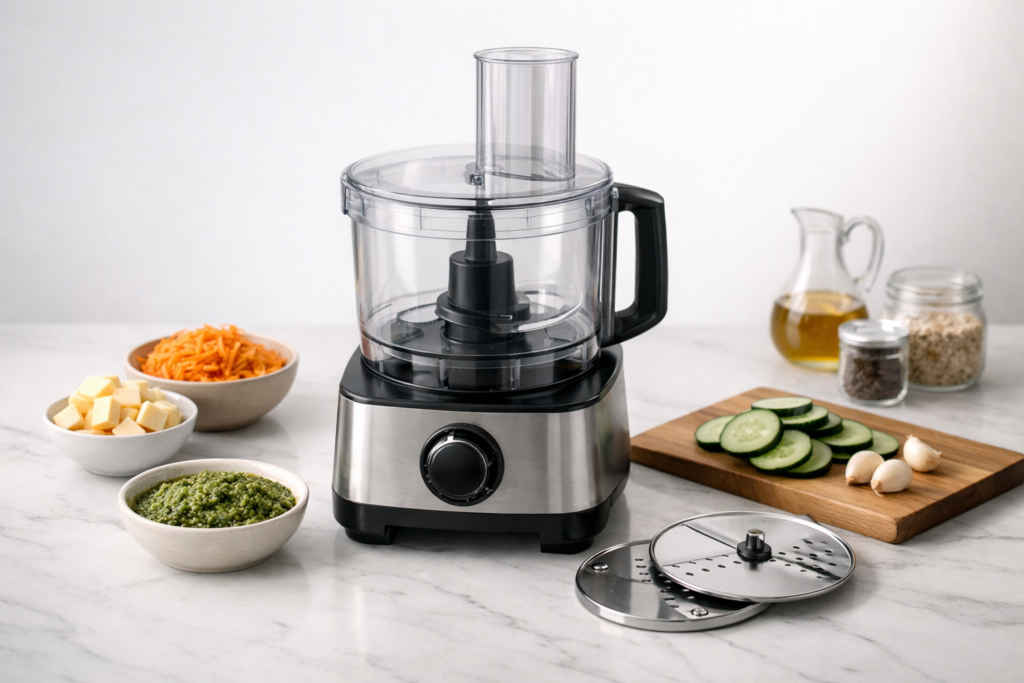
Before diving into the tips, it’s essential to understand the components and functions of a food processor. Most food processors come with:
- Base Unit: The motor housing where the power source is located.
- Bowl: The container that holds the food, typically made of plastic or glass.
- Lid: A locking mechanism to secure the bowl during operation.
- Blades and Discs: Various attachments for slicing, shredding, chopping, and pureeing.
Familiarizing yourself with these parts can help you understand how to use the appliance effectively.
Before you click “buy”, scan the listing for a few decision-checks:
- Confirm the exact variant you need
- Check recent reviews for your use case
- Look at returns/warranty to reduce risk
Comparison Criteria for Choosing a Food Processor
| Criteria | Description |
|---|---|
| Capacity | Size of the bowl, typically ranging from 3 to 14 cups. |
| Power | Motor power, usually measured in watts, affects performance. Look for at least 600 watts for heavy-duty tasks. |
| Attachments | Variety of blades and discs, such as slicing, shredding, and kneading options. |
| Ease of Cleaning | Dishwasher-safe components make cleanup easier. |
| Price Range | Consider the balance between features and budget; higher price often correlates with better durability and performance. |
How to Choose the Right Food Processor
Selecting the right food processor depends on your cooking needs and kitchen space. Here’s how to make the best choice:
- Assess Your Cooking Habits: If you cook frequently and prepare large meals, opt for a larger capacity processor. If you have limited space, a compact model may be ideal.
- Identify Key Features: Consider what tasks you’ll most often use the food processor for. If you enjoy baking, look for models that include dough blades.
- Read Reviews: Look for user feedback on performance and durability. Websites like Consumer Reports can provide unbiased reviews.
- Test It Out: If possible, test the model in-store to see how comfortable it is to use and how easy it is to clean.
For more insights on choosing kitchen appliances, you can refer to the FTC consumer advice.
If this sounds like you, start here and compare the details that matter to you.
Check on AmazonEssential Tips for Using a Food Processor
Now that you have your food processor, here are some tips to make the most of it:
1. Prepare Ingredients Properly
Before using your food processor, cut ingredients into uniform pieces. This ensures even processing and prevents overworking the motor. For instance, chop larger vegetables like carrots or potatoes into quarters before adding them to the bowl.
Open the listing, check latest reviews + returns policy, and you’ll know quickly if it fits your needs.
Check on Amazon2. Use the Right Blade
Different tasks require different blades. Use the standard blade for chopping, the shredding disc for cheese and vegetables, and the slicing disc for uniform slices. Refer to your food processor’s manual for guidance on changing attachments.
3. Don’t Overload the Bowl
Exceeding the recommended capacity can lead to uneven results and strain the motor. If you have a large batch, process in smaller portions to maintain optimal performance.
Want the fastest next step? Open one solid option and verify the key details in seconds.
4. Pulse for Control
For tasks like chopping vegetables, use the pulse function. This gives you more control, allowing you to achieve your desired texture without over-processing.
5. Clean as You Go
To make cleanup easier, rinse the bowl and blades immediately after use. Most components are dishwasher-safe, but a quick hand wash can prevent food from drying and sticking.
Open 2–3 listings and compare the same criteria (variants, returns, reviews).
- Best overall: popular food processors here
- Best value: popular food processors here
- Upgrade pick: popular food processors here
Common Uses for a Food Processor
Food processors are incredibly versatile. Here are some popular ways to use them:
- Chopping: Quickly chop vegetables for salads or stir-fries.
- Pureeing: Make smooth soups, sauces, or baby food.
- Shredding: Grate cheese or shred cabbage for coleslaw.
- Dough Mixing: Mix and knead dough for bread or pastries.
- Making Nut Butters: Blend nuts into creamy nut butters.
Frequently Asked Questions (FAQ)
1. Can I make smoothies in a food processor?
Yes, you can make smoothies in a food processor, but a blender may yield smoother results. If using a food processor, add liquid first to help blend the ingredients more effectively.
Before you click “buy”, scan the listing for a few decision-checks:
- Confirm the exact variant you need
- Check recent reviews for your use case
- Look at returns/warranty to reduce risk
2. How do I prevent my food processor from overheating?
To prevent overheating, avoid running the processor for extended periods without breaks. If you notice it getting hot, stop and allow it to cool down before continuing.
3. Can I use a food processor for grinding meat?
Yes, many food processors can handle meat grinding. Use chilled meat and cut it into smaller pieces for best results.
If this sounds like you, start here and compare the details that matter to you.
Check on Amazon4. What should I do if my food processor won’t turn on?
If your food processor doesn’t turn on, check that it is properly assembled, the lid is securely locked, and it is plugged in. If it still doesn’t work, consult the manual for troubleshooting tips.
5. How do I clean my food processor?
Most components are dishwasher-safe. For hand washing, use warm, soapy water and a soft sponge. Always clean the blades carefully to avoid injury.
Open the listing, check compatibility/size + compatibility/size, and you’ll know quickly if it fits your needs.
Check on AmazonConclusion
Using a food processor can significantly enhance your cooking efficiency and creativity in the kitchen. By understanding its components, selecting the right model, and employing effective techniques, you can make meal prep a breeze. Whether you’re a novice cook or a seasoned chef, these tips will help you harness the full potential of your food processor.
For those looking to purchase or upgrade their food processor, consider browsing options on popular food processors here.
Want the fastest next step? Open one solid option and verify the key details in seconds.
Disclosure: This post contains affiliate links. If you buy through them, we may earn a commission at no extra cost to you.