
Introduction
When it comes to outfitting your kitchen, one of the biggest decisions you’ll face is whether to choose electric or gas appliances. Each type offers unique advantages and potential drawbacks, making the choice one that can significantly affect your cooking experience. This article will provide a thorough comparison of electric vs. gas kitchen appliances, helping you understand the factors that should influence your decision.
- Introduction
- Electric vs. Gas Kitchen Appliances: Overview
- Comparison Criteria
- How to Choose Between Electric and Gas Kitchen Appliances
- 1. Cooking Style
- 2. Kitchen Space and Setup
- 3. Energy Efficiency and Cost
- 4. Maintenance and Safety Considerations
- 5. Environmental Impact
- FAQs About Electric vs. Gas Kitchen Appliances
- 1. Which is better for baking: electric or gas?
- 2. Can I convert my electric stove to gas?
- 3. Are electric appliances more energy-efficient than gas?
- 4. Do gas appliances cook faster than electric appliances?
- 5. How do I ensure safety with gas appliances?
- Conclusion
If this sounds like you, start here and compare the details that matter to you.
Check on AmazonElectric vs. Gas Kitchen Appliances: Overview
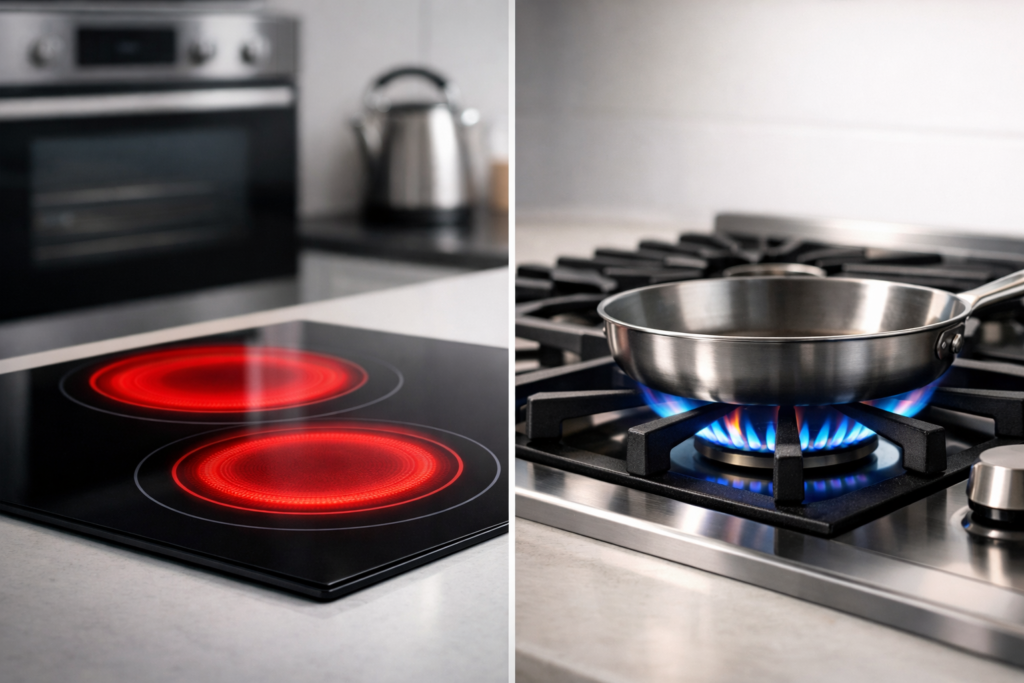
Electric appliances utilize electricity as their power source, while gas appliances rely on natural gas or propane. The differences between these two types encompass a range of factors, including cooking performance, energy efficiency, installation requirements, and maintenance needs. Below we’ll break down these aspects to help you make an informed choice.
Comparison Criteria
| Criteria | Electric Appliances | Gas Appliances |
|---|---|---|
| Cooking Performance | Consistent temperature; slower to heat and cool. | Instant heat adjustments; better for high-heat cooking. |
| Energy Efficiency | Generally more efficient; lower operational costs. | Efficiency can vary; often more expensive to operate long-term. |
| Installation | Requires electrical outlets; easier installation. | Requires gas line installation; usually more complex. |
| Maintenance | Low maintenance; easy to clean. | Regular checks for gas leaks; cleaning burners can be tedious. |
| Safety | Less risk of fire; no open flame. | Potential gas leaks; requires proper ventilation. |
| Cost | Initial purchase cost is generally lower. | Higher initial cost but may offer long-term savings. |
How to Choose Between Electric and Gas Kitchen Appliances
Choosing between electric and gas appliances involves considering several factors based on your cooking habits, kitchen layout, and personal preferences. Here are some key aspects to evaluate:
Want the fastest next step? Open one solid option and verify the key details in seconds.
1. Cooking Style
If you prefer precise temperature control and even cooking, electric appliances may be more suitable. They are particularly popular for baking and tasks that require consistent heat. On the other hand, if you enjoy high-heat cooking methods like stir-frying or searing, gas appliances provide the instant heat and quick adjustments that can enhance your cooking.
2. Kitchen Space and Setup
Consider the layout of your kitchen. Electric appliances require access to electrical outlets, while gas appliances necessitate a gas line. If you’re renovating an older home, installing a gas line can be more complex and costly. Assess your space to determine which option is more feasible.
Open the listing, check returns policy + warranty, and you’ll know quickly if it fits your needs.
Check on Amazon3. Energy Efficiency and Cost
Look into the long-term costs associated with both types of appliances. Electric appliances may have a lower initial purchase cost but check local utility rates to understand operational costs. Gas appliances might have higher upfront costs but could save you money in the long run, depending on your cooking habits.
4. Maintenance and Safety Considerations
Electric appliances are typically easier to maintain, requiring less frequent servicing. Gas appliances, however, need periodic checks for gas leaks and proper ventilation. If safety is a concern, electric appliances have the advantage of being less hazardous than gas.
Open 2–3 listings and compare the same criteria (variants, returns, reviews).
- Best overall: electric kitchen appliances
- Best value: gas kitchen appliances
- Upgrade pick: gas kitchen appliances
5. Environmental Impact
From an environmental perspective, electric appliances can be more sustainable, especially if powered by renewable energy. However, natural gas can be a cleaner-burning fossil fuel compared to electricity generated from non-renewable sources. Research your local energy sources to make an informed decision.
FAQs About Electric vs. Gas Kitchen Appliances
1. Which is better for baking: electric or gas?
Electric ovens generally provide more even heat, making them ideal for baking. Gas ovens can have hot spots, which may affect the outcome of baked goods.
Before you click “buy”, scan the listing for a few decision-checks:
- Confirm the exact variant you need
- Check recent reviews for your use case
- Look at returns/warranty to reduce risk
2. Can I convert my electric stove to gas?
Yes, but it requires significant modifications, including installing a gas line and ensuring proper ventilation. Consult a professional to evaluate the feasibility.
3. Are electric appliances more energy-efficient than gas?
Generally, electric appliances are more energy-efficient. However, operational costs may vary based on local energy prices and your usage patterns.
If this sounds like you, start here and compare the details that matter to you.
Check on Amazon4. Do gas appliances cook faster than electric appliances?
Yes, gas appliances heat up quickly and provide instant temperature adjustments, making them faster for certain cooking methods.
5. How do I ensure safety with gas appliances?
Regular maintenance is crucial. Install carbon monoxide detectors, check for gas leaks, and ensure proper ventilation in your kitchen.
Want the fastest next step? Open one solid option and verify the key details in seconds.
Conclusion
Choosing between electric and gas kitchen appliances ultimately depends on your cooking preferences, kitchen setup, and budget. By evaluating the factors discussed in this article, you can make a decision that enhances your cooking experience and meets your household needs.
For those looking to purchase new appliances, consider exploring options on platforms like electric kitchen appliances and gas kitchen appliances.
Open the listing, check returns policy + warranty, and you’ll know quickly if it fits your needs.
Check on AmazonDisclosure: This post contains affiliate links. If you buy through them, we may earn a commission at no extra cost to you.